
7 Water Fed Pole Cleaning Benefits

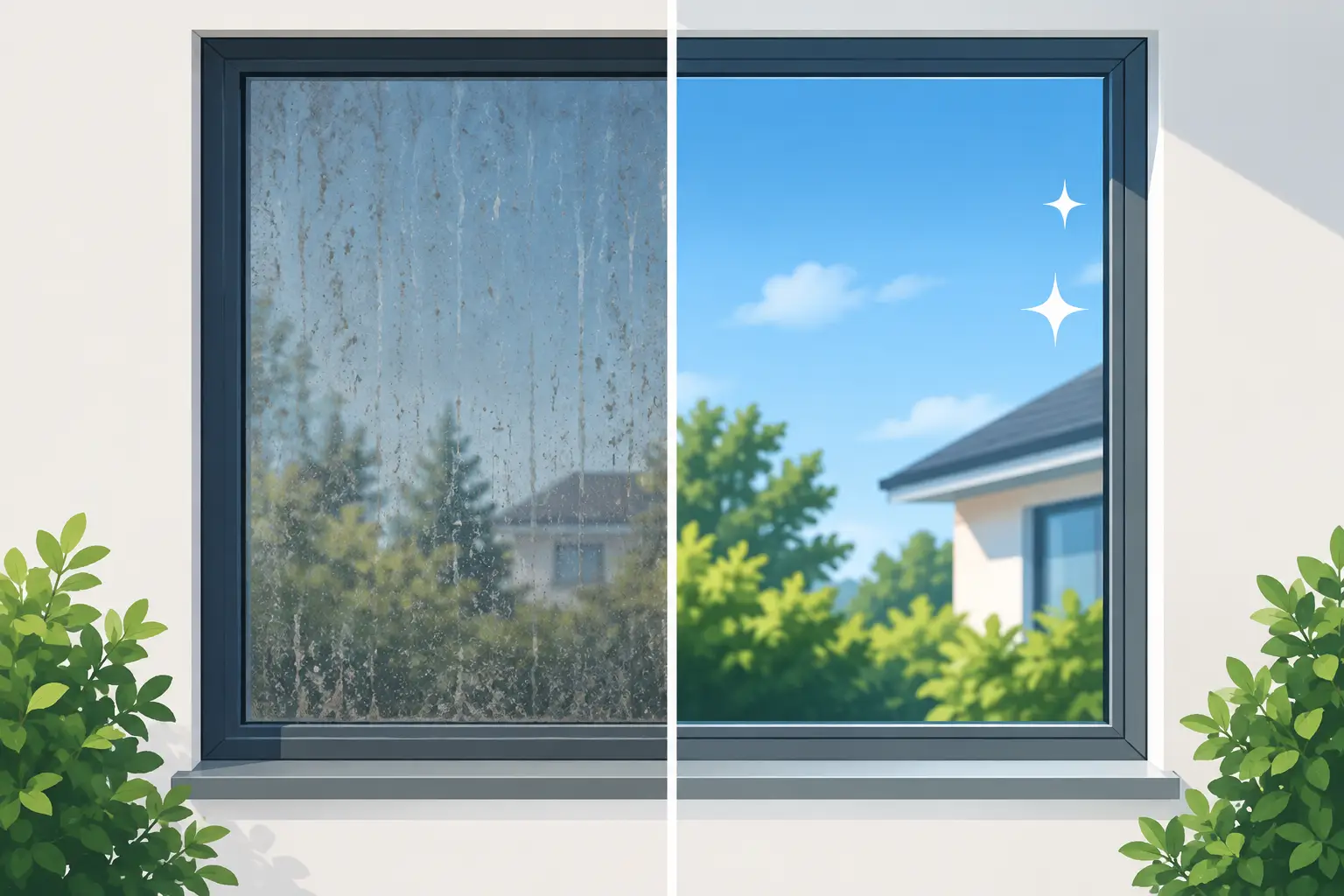
Second-story windows are where a lot of cleaning headaches begin. They collect dust, pollen, sprinkler overspray, and road grime, but reaching them safely is another story. That is exactly why more property owners are asking about water fed pole cleaning benefits – because the right method does more than clean glass. It makes the job safer, faster, and better looking from the start.

For homeowners and business owners across Southern California, that matters. Clean windows should brighten your space, not create a hassle, a safety concern, or a streaky result that needs to be redone a week later. Water fed pole systems have changed what professional window cleaning can deliver, especially on exterior glass.

What water fed pole cleaning actually is

A water fed pole system uses purified water pumped through an extendable pole to a soft brush at the top. The brush loosens dirt and debris while the pure water rinses the glass clean. Because that water has been filtered to remove minerals and impurities, it dries without leaving spots behind.

That last part is the big difference. Traditional tap water can leave residue on glass, especially in areas where hard water is common. Purified water is designed to solve that problem. It lifts grime, rinses clean, and dries clear without the soap film that can attract dirt again too quickly.

The biggest water fed pole cleaning benefits for homes and businesses

Safer cleaning with less ladder work

Safety is one of the strongest reasons this method has become a favorite for professional exterior window cleaning. Many upper-floor windows, hard-to-reach panes, and glass above landscaping can be cleaned from the ground with a water fed pole.

That reduces the need to place ladders around flower beds, uneven walkways, awnings, entryways, and busy storefronts. Less ladder use means less risk for technicians, less disruption for your property, and fewer concerns about damage to siding, stucco, gutters, or landscaping.

It does not mean ladders are never needed. Some layouts still call for them. But for many properties, reducing ladder work is a major practical advantage.

Spot-free results that look better longer

If you have ever had windows cleaned and noticed spots after they dried, the issue often comes down to the water or leftover residue. Pure water cleaning is built to avoid both.

When the water has been properly purified, it pulls away dirt and dries clear. That gives exterior glass a crisp, polished look without soap residue. For property owners, the result is simple – windows sparkle, natural light looks better, and curb appeal gets an immediate lift.

This is especially helpful in sunny areas where every streak shows. Southern California light is great for outdoor living, but it is not forgiving on dirty glass.

Better access to awkward or high windows

Some windows are difficult to reach even on a one-story home. Others sit above rooflines, over slopes, behind shrubs, or around architectural details that make traditional methods slower and more complicated.

A water fed pole gives trained technicians more flexibility to clean those areas efficiently. It can be a strong fit for larger homes, office buildings, retail fronts, apartment properties, and any layout with tall exterior glass.

That does not just improve access. It improves consistency. When the equipment is matched to the property, more glass can be cleaned thoroughly without cutting corners.

Faster service on many exterior jobs

One of the more practical water fed pole cleaning benefits is speed. Setting up ladders, repositioning them repeatedly, and working around obstacles can slow down a job. A water fed pole often allows technicians to move more smoothly across exterior windows.

For homeowners, that can mean less time with a crew on site. For business owners, it can help reduce interruptions around entrances, sidewalks, and customer-facing areas. Faster does not mean rushed. It means the method is efficient when used on the right surfaces and conditions.

That is an important distinction. Not every pane is best cleaned the same way, and an experienced company will know when pure water cleaning is ideal and when another approach makes more sense.

Gentler on frames, glass, and surrounding areas

Traditional cleaning can involve soaps, squeegees, and more physical contact around the window area. Water fed pole systems still scrub effectively, but they do it with soft brushes and purified water rather than relying on chemical-heavy products.

That can be a plus for many exterior surfaces. There is less chance of soap residue collecting around frames, and less concern about overspray from cleaning products near landscaping or outdoor living spaces. For families, pets, and businesses that want a cleaner process, this method often feels like a better fit.

It is also a smart option for routine maintenance. When exterior windows are cleaned regularly with pure water, buildup is often easier to manage before it becomes stubborn.

A cleaner finish for commercial properties

For storefronts and office buildings, appearances do real work. Smudged or dusty windows can make a property look neglected, even if everything else is in order. Clean glass sends a better message. It says the business is cared for, active, and professional.

Water fed pole cleaning helps commercial properties keep up that standard, especially where there are multiple panes or upper windows that need regular attention. The spot-free finish looks sharp, and the ground-based approach can be easier to manage around customers, parked cars, and high-traffic areas.

If your business depends on foot traffic, presentations, or a polished first impression, clean exterior glass is not a small detail. It is part of the overall experience.

Great for recurring maintenance

The best-looking windows are usually not the result of one dramatic cleaning. They come from consistent care. This is where water fed pole systems really shine.

Because the process is efficient and effective for many exterior jobs, it works well for recurring service. Homes can stay bright and inviting without waiting until buildup becomes obvious. Commercial properties can maintain a clean, professional look year-round.

Regular service also helps prevent the kind of grime that becomes harder to remove over time, such as dust mixed with moisture, environmental residue, and light mineral spotting. Keeping ahead of that buildup protects the appearance of the glass and makes each visit more productive.

When water fed pole cleaning makes the most sense

This method is especially useful for exterior windows, upper-story glass, and properties where safety and access are major concerns. It is also a strong choice when you want a spot-free finish without soap residue.

That said, it is not a magic fix for every situation. Interior windows usually require a different process. Heavy hard water staining, paint, construction debris, or adhesive residue may need specialty treatment. Some windows with deep oxidation around frames can also call for a more tailored approach.

A professional should look at the condition of the glass and choose the right method for the result you want. That is the difference between using good tools and delivering genuinely superior service.

Why the operator matters as much as the equipment

A water fed pole system is only as good as the team using it. Pure water quality has to be monitored. Brushes need to be used correctly. Frames, edges, and sills need attention. And technicians need to know when this approach is the best choice and when another method will produce a better finish.

That is why trained, insured professionals matter. The equipment helps, but craftsmanship is what makes your windows sparkle. A dependable local company should be able to explain the process clearly, work safely, show up on schedule, and stand behind the result.

For many property owners, that peace of mind is one of the biggest benefits of all. You are not just paying for clean glass. You are paying for convenience, professionalism, and one less thing to worry about.

A brighter way to care for your glass

If your exterior windows are hard to reach, prone to spotting, or simply overdue for professional care, the water fed pole cleaning benefits are easy to appreciate once you see the results on your own property. Cleaner glass, safer service, and a sharper-looking home or business is a strong combination. And when it is done by a local team that values quality, your windows do more than look clean – they brighten your world.

Pure Water vs Soap Window Cleaning

If you have ever looked out a freshly cleaned window and still caught streaks in the afternoon sun, you already know why pure water vs soap window cleaning is worth talking about. Both methods can make glass look better, but they do not perform the same way, especially on Southern California homes and businesses that deal with dust, heat, sprinkler spray, and everyday buildup.

For some windows, traditional soap-and-squeegee cleaning still does a solid job. For others, pure water cleaning delivers a clearer finish, better reach, and less residue left behind. The real answer is not which method sounds newer. It is which one gives you the best result for the type of glass, level of soil, and access your property has.

Pure water vs soap window cleaning: what changes the result?

The biggest difference comes down to what is left on the glass after cleaning. Soap cleaning uses a cleaning solution to loosen dirt, then the glass is wiped and squeegeed dry. When done well, it can leave windows looking great. But if too much solution is used, if the edges are not detailed properly, or if residue remains, you can end up with faint streaks or a film that catches light later.

Pure water cleaning works differently. The water is filtered to remove minerals and impurities, then applied to the glass and frames with specialized equipment. Because the water is purified, it attracts dirt, lifts it away, and dries spot-free without leaving soap residue behind. That is the part many property owners notice most – less haze, fewer spots, and a cleaner finish that stays sharp.

This matters even more on exterior glass. In Corona, Norco, Eastvale, and surrounding areas, outdoor windows collect dust fast. Add hard water exposure from sprinklers or light mineral deposits, and a basic wipe-down may not be enough. A method that rinses thoroughly without leaving cleaning agents behind often gives a more polished result.

Where soap window cleaning still makes sense

Soap cleaning is not outdated. In skilled hands, it remains an effective method for many interior windows and certain exterior jobs. It is especially useful when a technician needs tight control over detailing, or when interior glass has fingerprints, smudges, grease, or other buildup that responds well to traditional hand-cleaning.

Inside the home or office, soap-and-squeegee work can be ideal because the technician can closely manage drips, edges, and surrounding surfaces. It is also helpful on glass that needs extra attention around tracks, corners, or French panes where careful hand work makes a visible difference.

For storefronts and ground-level commercial glass, soap cleaning may also be the right fit if there is frequent touch-up maintenance. When appearance matters daily, traditional methods can keep front-facing glass looking clean and presentable between deeper service visits.

The trade-off is that soap cleaning relies heavily on technique. A rushed job can leave lines, residue, or moisture around the edges. It also does not solve the safety challenge of reaching higher glass unless ladders or lifts are involved.

Why pure water cleaning has become a go-to method

Pure water cleaning has earned its place because it solves more than one problem at once. It improves finish quality on many exterior windows, and it helps technicians clean upper-floor glass with reduced ladder use. That combination matters for both safety and efficiency.

With water-fed pole systems, purified water can be delivered to windows that are harder to reach from the ground. The brush agitates dirt, the pure water rinses it away, and the glass dries clear. Since there are no minerals in the water, there is nothing left behind to spot the glass as it dries.

For homeowners, that often means second-story windows can be cleaned more safely and with less disruption. For business owners, it can mean cleaner upper glass without constant ladder positioning near entrances, walkways, or customer areas.

Another advantage is residue. Soap can leave trace material behind, even when the window looks fine at first. Exterior glass exposed to dust may attract grime faster when any residue remains. Pure water cleaning avoids that issue, which is one reason many people feel the clean lasts longer.

Pure water vs soap window cleaning for homes

Residential properties usually need both methods at different times. Exterior windows often benefit most from pure water, especially on larger panes, upper-floor glass, and windows exposed to the elements every day. The spot-free rinse helps bring back that bright, clean look homeowners actually notice from both inside and outside.

Interior windows are a little different. Kids’ handprints, pet nose marks, cooking residue, and everyday smears often call for hands-on detailing. That is where traditional soap cleaning still shines. A professional can manage the mess carefully and leave the surrounding area just as tidy as the glass.

That is why the best residential service is not about choosing one method forever. It is about using the right method where it performs best. A company that understands both can give you better results than one that treats every pane the same.

Pure water vs soap window cleaning for businesses

Commercial properties care about appearance, but they also care about speed, safety, and consistency. If you run a storefront, office, or service business, dirty windows do more than block the view. They change how customers read your attention to detail.

For lower entry glass and heavily touched surfaces, soap cleaning can still be the practical choice. It handles fingerprints and traffic-related grime well. For taller buildings, larger glass sections, and recurring exterior maintenance, pure water cleaning is often the stronger option. It is efficient, produces a clear finish, and helps reduce the need for ladders in active customer areas.

That balance is especially valuable when you need recurring service. A polished business exterior helps customers feel confident before they even step inside. Clean glass sends a message that the property is cared for, professional, and open for business.

Safety is part of the cleaning method

Most property owners focus first on streaks and shine, which makes sense. But safety should be part of the conversation too. One of the biggest advantages of pure water systems is that they allow more windows to be cleaned from the ground. That lowers risk and can make service smoother on homes with awkward landscaping, narrow side yards, or high exterior glass.

Traditional methods often require more ladder work for upper floors. There is still a place for that when the job demands it, but minimizing ladder use whenever possible is simply a smarter way to work. For customers, that means less worry. For technicians, it supports a safer, more controlled process.

This is one reason many professional glass care providers have invested in pure water technology. It is not just about using a modern tool. It is about delivering strong results while keeping safety standards high.

Which method leaves windows cleaner longer?

It depends on what is on the glass and where the window is located. Interior glass cleaned with soap and detailed properly can stay clean for a long time because it is protected from weather. Exterior glass is different. It faces dust, pollen, sprinkler overspray, and windblown debris.

On exteriors, pure water often has the edge because it leaves no soap residue behind. Less residue usually means less for new dirt to cling to. That does not make windows dirt-proof, of course, but it can help maintain that clean, bright look longer between services.

If the glass has heavy grease, adhesive, paint specks, or mineral staining, neither standard soap cleaning nor pure water alone is always enough. Those situations may call for restoration work or specialized treatment. That is another reason cookie-cutter pricing and one-size-fits-all promises often miss the mark.

The best answer is not one method. It is professional judgment.

When customers ask whether pure water or soap is better, the honest answer is that the best results usually come from knowing when to use each. A trained team looks at glass condition, access, frame type, window height, surrounding surfaces, and the kind of buildup present. Then the method fits the job.

That is the approach companies like Window Cowboys bring to homes and businesses that want more than a quick wipe-down. Professional-grade tools, insured technicians, and service built around convenience make a difference, but the real value is getting glass cleaned the right way the first time.

If you want windows that sparkle instead of just looking less dusty, ask how the glass will actually be cleaned. The method matters, and the right one can brighten your property more than you might expect.

Professional Window Cleaning vs DIY

You can spend half a Saturday chasing streaks across the same pane, or you can walk outside and see glass that actually looks invisible. That is really what professional window cleaning vs DIY comes down to for most homeowners and business owners – not just cost, but time, safety, finish quality, and whether the job is truly done.

In Southern California, clean glass does more than look nice. It sharpens curb appeal, brightens interiors, and gives your home or storefront a cared-for look right away. But the path to that shine can be very different depending on whether you do it yourself or bring in a trained crew.

Professional window cleaning vs DIY: what changes most?

The biggest difference is not the soap or the squeegee. It is the consistency of the result. DIY window cleaning can absolutely work on some jobs, especially for reachable interior glass or a few first-floor windows that are lightly dusty. If you have the right towels, a quality squeegee, and patience, you may get windows looking pretty good.

But pretty good and professionally cleaned are not the same standard. Professional service is built around repeatable results. That includes removing dirt, pollen, fingerprints, water spots, and grime without leaving behind streaks, lint, or residue. It also means noticing the details most people miss, like dirty edges, buildup in corners, and glass haze that shows up the second the afternoon sun hits.

For businesses, that difference matters even more. Customers notice front glass. Employees notice natural light. A streaky storefront can make the whole property look less polished than it really is.

The DIY route works best when the job is simple

There are situations where DIY makes sense. If you live in a single-story home, your windows are easy to reach, and you do not mind putting in the time, cleaning your own glass can be a practical weekend task. Some homeowners enjoy handling basic upkeep themselves, especially between deeper cleanings.

The challenge is that simple jobs have a way of expanding. What starts as wiping down a few panes often turns into dealing with stuck-on debris, screens, tracks, hard water spots, or windows that are awkward to reach over landscaping. Add second-story glass or large picture windows, and the project gets more demanding fast.

DIY also works best when your expectations are realistic. If your goal is cleaner than before, you may be satisfied. If your goal is spotless, streak-free glass from every angle and in every light, the margin for error gets much smaller.

Where professional cleaning pulls ahead

Professional window cleaning earns its value in the places where homeowners and business owners feel the most friction. Height is one factor. Time is another. But quality control is what usually seals the deal.

A trained crew comes in with the tools, process, and experience to clean efficiently and safely. They know how to work different types of glass, remove buildup without causing scratches, and leave a more uniform finish across the property. On commercial properties, that kind of consistency helps maintain a polished appearance without disrupting the workday more than necessary.

For residential clients, convenience is often the deciding factor. Instead of gathering supplies, moving furniture, dragging out ladders, and hoping the weather cooperates, you get the job handled by professionals who do this every day. That saves time and removes a task that many people simply do not want on their weekend list.

Safety is not a small detail

This is where professional window cleaning vs DIY stops being a simple cost comparison. It becomes a risk question.

Ladders, wet surfaces, uneven ground, second-story windows, and hard-to-reach exterior glass all add real hazard. Even careful homeowners can underestimate how awkward window cleaning gets once you are leaning, stretching, and working with one hand while balancing with the other. For commercial buildings, the stakes can be even higher.

Professional teams are trained to work these conditions more safely. They also bring equipment that helps reduce unnecessary ladder use. Pure water cleaning systems, for example, can allow upper-floor exterior glass to be cleaned effectively from the ground in many situations, while still producing a spot-free finish. That matters because better safety and better results should go together.

If you are comparing options for a two-story home, a storefront, or any property with difficult access, safety alone may justify hiring it out.

Cost matters, but so does value

DIY is usually cheaper on paper. That part is true. If you already own the supplies and your windows are easy to clean, doing it yourself will likely cost less upfront than hiring a service.

Still, the true cost is bigger than the bottle of cleaner and a roll of paper towels. There is your time, the chance of buying the wrong tools, the possibility of needing to redo the work, and the risk of damaging screens, frames, or the glass itself. Hard water stains and debris can be especially tricky. Aggressive scrubbing with the wrong material can create scratches that are far more expensive than a cleaning appointment.

Professional service costs more because it delivers more. You are paying for trained labor, insured service, proper equipment, stronger results, and a lot less hassle. If your home has many windows, large panes, upper-story glass, or if your business depends on appearance, the value equation shifts quickly toward professional care.

Results are not just about clean glass

One of the most overlooked differences in professional window cleaning vs DIY is how the whole property feels afterward. Clean windows change the look of a home from the street, but they also change the way the inside feels. Rooms seem brighter. Views look sharper. Dust and smudges stop pulling your attention.

For commercial spaces, clean windows support presentation. Whether you run an office, retail store, restaurant, or service business, your glass is part of the customer experience. It signals whether the property is maintained and whether details matter there.

That is why a true window cleaning service is often about more than the pane itself. It is about helping the property look cared for, inviting, and ready to impress.

The weather and environment factor in Southern California

Our local conditions can make DIY more frustrating than people expect. Dust, pollen, irrigation overspray, traffic film, and hard water spotting can all build up on exterior glass. Even after a solid effort, residue often reappears quickly if the method is not right.

This is where professional-grade techniques make a visible difference. Pure water cleaning, for instance, removes impurities from the water itself so glass can dry spot-free without soap residue being left behind. That can produce a cleaner finish and help reduce the streaking that many homeowners fight when washing windows on their own.

In communities like Corona, Norco, Eastvale, and across surrounding areas, regular maintenance often works better than waiting until the glass looks obviously dirty. Light buildup is easier to remove than heavy buildup, and consistent care keeps the property looking sharp year-round.

So which option is right for you?

It depends on the job, your standards, and how much risk or effort you want to take on.

If you have a few easy-to-reach windows and do not mind spending the time, DIY can be fine for touch-ups or smaller projects. It gives you control and may save money in the short term.

If you want high-level results, have hard-to-reach glass, manage a commercial property, or simply want the job off your plate, professional cleaning is the stronger choice. It is especially worthwhile when safety, convenience, and presentation matter as much as the cleaning itself.

That is why many property owners land somewhere in the middle. They may wipe down interior glass when needed but call in professionals for full exterior cleaning, upper floors, seasonal service, or recurring maintenance. That balanced approach can keep windows sparkling without turning every cleaning into a major project.

At the end of the day, clean windows should brighten your world, not eat up your weekend. If the job feels bigger than it should, there is real value in choosing a service partner who can make the glass shine and make the process easy too.

Spot Free Glass Cleaning Guide

If your windows look worse after you clean them, you are not doing anything unusual. Most glass ends up streaked or spotted for one simple reason – the water and residue left behind are still on the surface. This spot free glass cleaning guide explains how to get clear, bright glass without the haze, drip marks, or mineral spots that make clean windows look unfinished.

In Southern California, glass takes a beating. Hard water, dust, sprinkler overspray, coastal air in some areas, and plain old everyday buildup can all leave windows looking dull fast. The right method is less about scrubbing harder and more about removing the stuff that causes spots in the first place.

What causes spots on glass

A true spot-free finish depends on what is left behind after cleaning. If tap water dries on the glass, it often leaves minerals behind. If too much soap is used, it can leave a film that grabs dust and shows streaks in the sun. If the glass is cleaned in direct heat, the water can dry before it is properly rinsed or wiped, which creates uneven marks.

That is why two people can clean the same window with very different results. One may use a towel and household spray and end up chasing streaks around. The other may remove the buildup fully, rinse with purified water, and let the glass dry clear.

For shower doors, the issue is even more stubborn. Soap scum and hard water deposits build up in layers. On storefronts and exterior residential windows, airborne dirt and sprinkler minerals are often the biggest troublemakers.

A practical spot free glass cleaning guide for better results

If you want a better finish, the goal is simple: loosen the grime, remove the residue, and avoid leaving minerals or cleaning product behind. The exact method depends on whether you are cleaning interior glass, exterior windows, or shower glass.

Interior glass

Interior windows usually have fingerprints, dust, pet nose prints, and light film from normal living. In many cases, you do not need a heavy cleaner. A clean microfiber cloth and a small amount of glass cleaner can work well, but less product is usually better than more.

Spray the cloth or use a light mist on the glass, then wipe in steady passes. Follow immediately with a dry section of the cloth or a second clean microfiber towel. If you keep smearing the same towel across multiple windows, you are just moving residue around. Fresh cloths matter.

For larger panes, a squeegee can give a cleaner finish than paper towels. The catch is technique. If the rubber blade is worn or you do not wipe the edge between passes, you can leave lines behind.

Exterior glass

Exterior windows collect more than visible dirt. They also pick up pollen, exhaust, dust, and mineral residue from sprinkler systems. This is where many DIY jobs go sideways. A standard hose rinse may remove loose dirt, but if your water is mineral-heavy, it can leave fresh spots as it dries.

That is why purified water cleaning has become such a strong option for exterior glass. When the minerals are removed from the water, the rinse can dry clear without leaving spots behind. It also reduces the need for soap residue on the glass. For upper windows, purified water systems can reach higher glass safely with less ladder use, which matters for both homes and commercial buildings.

Shower doors and bathroom glass

Bathroom glass can be the most frustrating because the buildup is not just on the surface. Hard water spots often bond to the glass over time. If you catch it early, regular maintenance can keep the door clear. If the glass has gone cloudy, deeper restoration may be needed before normal cleaning makes a difference.

A common mistake is using abrasive pads or harsh tools that scratch the surface. Another is applying product after product without fully removing the old residue. The result is glass that looks clean when wet and cloudy again once dry.

Why pure water matters

Any real spot free glass cleaning guide has to talk about water quality. If the rinse water is full of dissolved minerals, those minerals stay behind when the water evaporates. That is what creates the white spotting you often see on exterior windows, especially in sunny weather.

Pure water cleaning removes those dissolved solids before the water touches the glass. Once the surface is scrubbed and rinsed with purified water, it can dry naturally without spotting. For many homeowners and business owners, that is the difference between windows that look fine from ten feet away and windows that genuinely sparkle.

There is also a convenience factor. Pure water systems allow trained technicians to clean upper-floor windows from the ground in many situations. That can improve safety, speed up service, and reduce disruption around the property. It is not the answer for every single piece of glass, but for many exterior jobs, it is the best path to a spot-free result.

The tools that help – and the ones that hurt

Good glass cleaning is not about having the most tools. It is about using the right ones in the right condition.

Microfiber cloths are excellent when they are clean and truly lint-free. If they have fabric softener residue or too much buildup from previous use, they can smear. Squeegees work beautifully on larger panes, but only if the rubber is sharp and the frame is clean. Soft scrub pads and professional sleeves can lift grime effectively on exterior glass before rinsing.

The tools that often create trouble are paper towels that shed, dirty rags, too much soap, and random household products not meant for glass. Razor scraping can help in specific cases, such as paint specks or debris on standard glass, but only when handled correctly. Used the wrong way, it can scratch the surface or damage specialty coatings.

When DIY works and when it does not

For a few reachable interior windows, DIY cleaning can absolutely be worth it. If the glass has light dust and fingerprints, a careful approach can produce a nice result. That is especially true when the windows are easy to access and you have the time to do them properly.

Where DIY tends to break down is on large homes, upper-floor glass, hard water staining, post-construction debris, and commercial properties that need a consistently polished look. Safety becomes a real concern once ladders enter the picture. So does time. What looks like a quick Saturday task can turn into half a day of moving furniture, chasing streaks, and trying to fix windows that dried too fast.

For business owners, there is also appearance to think about. Front glass is part of the customer experience. Smudged entry doors and spotted storefront windows do not send the right message. Regular professional service keeps the property looking sharp without pulling staff away from more important work.

How to keep glass spot-free longer

The best cleaning result is the one that lasts. That usually comes down to reducing what lands on the glass between visits.

If sprinklers are hitting the windows, adjusting them can make a huge difference. Those repeated hard water hits create some of the toughest mineral buildup on exterior glass. Keeping screens, sills, and tracks clean also helps because dirt from surrounding areas often ends up back on the window. For shower doors, a quick squeegee after use can slow down water spot buildup in a big way.

Scheduling matters too. Regular service is easier on the glass than waiting until buildup becomes severe. Light maintenance cleaning is usually faster, more effective, and more predictable than trying to reverse months or years of neglect.

Why professional results look different

There is a reason professionally cleaned glass stands out. It is not just effort. It is method, equipment, and knowing what the glass needs before problems get worse.

A trained team can spot the difference between loose dirt, hard water staining, oxidation, seal failure, and scratched glass. That matters because not every cloudy window is dirty, and not every spot can be removed with standard cleaning. An honest assessment saves time and frustration.

For property owners who want convenience, safety, and reliable shine, professional service also removes the hassle. You do not have to haul out ladders, test products, or spend your afternoon redoing streaked panes. You just get clean glass that brightens the property and makes the whole place feel better cared for.

That is the standard Window Cowboys is built around – clear results, safe service, and windows that leave your home or business looking sharp. When the glass is truly clean, more light comes in, curb appeal goes up, and the whole property feels more inviting.

If you have been fighting spots, streaks, or hard water marks, the fix is usually simpler than it seems: clean the right way, use the right water, and do not let residue stay behind. Glass should not look almost clean. It should shine.

How to Clean Shower Glass Without Streaks

That cloudy film on your shower door is not just soap scum doing its usual job. In Southern California, hard water is often the bigger culprit, and it can make shower glass look dull, spotted, and older than it really is. If you have been wondering how to clean shower glass so it actually looks clear again, the trick is using the right method for the kind of buildup you are dealing with.

A quick wipe with a bathroom spray may freshen things up for a day or two, but once minerals start bonding to the glass, surface-level cleaning stops being enough. The good news is that most shower glass can be brought back to a bright, polished look with a little patience and the right tools. The less fun news is that some damage is no longer just dirt. Knowing the difference saves time and frustration.

How to clean shower glass the right way

Start simple. You do not need a cabinet full of specialty products to get good results, but you do need the right sequence. Cleaning shower glass works best when you loosen buildup first, gently scrub it off, and then dry the glass completely so you do not leave behind new spots.

For everyday to moderate buildup, spray the glass with a white vinegar and water solution mixed about 1 to 1. Let it sit for 10 to 15 minutes so it can break down soap scum and mineral residue. If the smell of vinegar is not your favorite, that is fair. It works well, but it is not exactly spa-like.

After the solution has had time to work, use a non-scratch sponge or microfiber cloth to scrub the glass. Focus on the lower half of the door first. That is usually where the heaviest buildup collects. Rinse thoroughly with warm water, then pull a squeegee from top to bottom. Finish by wiping the edges and metal trim with a dry microfiber towel.

That last step matters more than most people think. A lot of streaks are not leftover grime. They are leftover moisture.

A note on store-bought cleaners

If vinegar is not cutting it, a non-abrasive cleaner made for shower doors can help. This is often the better choice when you are dealing with thicker soap scum or months of neglected buildup. Just read the label carefully. Some products are too harsh for certain finishes, especially around metal frames and hardware.

Avoid anything gritty or overly aggressive. Powder cleansers and rough scrubbing pads can leave fine scratches in the glass. Once that happens, the surface can grab onto minerals and soap residue even faster.

What works for hard water spots

Hard water stains are the reason many people feel like they are cleaning and cleaning with nothing to show for it. Those white or cloudy spots are mineral deposits, and they need more than a casual spray-and-wipe.

For heavier hard water buildup, apply vinegar full strength or use a mineral deposit remover that is safe for shower glass. Let it dwell for several minutes, then scrub gently with a soft sponge or a microfiber applicator. You may need to repeat the process more than once. That does not mean you are doing it wrong. It usually means the buildup has been there a while.

If the spotting is severe, some homeowners have luck with a paste made from baking soda and water after the vinegar treatment. Used carefully, it can add a bit more cleaning power without being too harsh. The key word is carefully. You want a paste, not a scrub that feels like sandpaper.

When the glass still looks cloudy

This is where the trade-off comes in. Sometimes the problem is removable buildup. Sometimes it is etching.

Etching happens when minerals sit on the glass long enough to damage the surface. At that point, the glass may still look cloudy even after it is technically clean. If you run your hand over it and it feels rough, or if spots seem baked into the glass no matter what you use, you may be looking at permanent damage rather than dirt.

That does not always mean replacement, but it does mean standard cleaning may not restore a like-new finish.

What not to use on shower glass

People usually damage shower glass while trying to save it. That is the frustrating part.

Steel wool, razor blades, magic-eraser style pads used aggressively, and abrasive powders can all create scratches or haze. Strong chemical mixes can also backfire, especially if you start combining cleaners without checking ingredients. Bleach and ammonia-based products are not a smart experiment.

It also helps to skip the habit of spraying everything at once. More product does not automatically mean a better result. On glass, it often means more residue and more streaking.

How to keep shower glass clean longer

The best way to clean shower glass is to stop it from getting bad in the first place. That sounds obvious, but maintenance is where most of the battle is won.

Use a squeegee after each shower, or at least once a day if the shower gets heavy use. It takes less than a minute and cuts down dramatically on water spots. If everyone in the house is not going to stick to that routine, keep a microfiber cloth nearby and do a quick wipe at the end of the day.

Ventilation matters too. Leaving the bathroom fan running for 15 to 20 minutes after a shower helps reduce moisture that clings to the glass and encourages residue to hang around. You can also use a daily shower spray between deep cleanings, especially if your water runs hard.

A realistic cleaning schedule

For many homes, a light weekly wipe-down and a deeper clean every two to four weeks is enough. If your shower gets used by a full house every day, you may need to clean more often. If it is a guest bath that barely sees action, less often may be fine.

It depends on water quality, usage, and how quickly soap scum builds up. That is why one neighbor can clean monthly while another feels like the glass turns cloudy overnight.

Frameless shower doors need a little extra attention

Frameless glass looks sharp, opens up the room, and gives a bathroom a cleaner, more modern feel. It also tends to show every spot.

When you clean frameless shower glass, pay close attention to the edges, hinges, and bottom sweep. Water likes to sit in those areas, and if it stays there, buildup follows. Use a soft cloth around hardware and avoid soaking metal components with acidic cleaners for too long.

If your shower door has protective coating from the manufacturer, be gentle. Harsh chemicals can wear that coating down, which means the glass may start spotting faster over time.

When it makes sense to call a professional

There is regular upkeep, and then there is restoration. If your shower glass has months or years of buildup, if the spotting will not budge, or if you are worried about damaging expensive glass, professional cleaning can be the smarter move.

This is especially true in homes with heavy hard water or high-end glass enclosures where appearance matters. The right equipment, the right products, and an experienced hand can often get better results faster, without the trial-and-error that happens in a home supply aisle.

For busy homeowners and property managers, convenience is part of the value. A good glass care company does not just make the shower look better. It takes one more annoying task off your list and gets the job done safely and properly.

Window Cowboys helps homeowners and businesses across Corona, Norco, Eastvale, Riverside County, and nearby Orange County areas keep glass looking bright, clear, and professionally cared for. That same attention to detail that makes windows sparkle matters just as much in the bathroom.

The best results come from consistency

If you want shower glass to stay clear, do not wait until the door looks permanently fogged over. Light cleaning done regularly is easier, faster, and far more effective than trying to rescue badly neglected glass. Start with the gentlest method that fits the buildup, dry the surface well, and treat hard water spots early before they settle in.

A clean shower door changes the whole feel of a bathroom. It looks brighter, feels fresher, and gives the room that polished finish people notice right away. A few smart habits can keep that shine around a lot longer.

Safe Ladder Free Window Cleaning That Works

Second-story glass has a way of getting ignored until the sun hits it just right. Suddenly every spot, streak, and layer of dust shows up at once – and so does the question nobody loves answering: who’s getting on the ladder? Safe ladder free window cleaning solves that problem by giving homeowners and business owners a better way to get clear, bright glass without adding avoidable risk.

For properties in Corona, Norco, Eastvale, Riverside County, and nearby Orange County communities, that matters more than people think. Between hard water, dust, pollen, and everyday buildup, windows do not stay clean for long in Southern California. The challenge is not just getting them clean. It is getting them clean safely, thoroughly, and without turning a routine service into a balancing act.

What safe ladder free window cleaning really means

Safe ladder free window cleaning usually refers to professional methods that let technicians clean many exterior windows from the ground or with minimal ladder use. The most effective version of this approach uses purified water and specialized poles that reach upper-floor glass while the cleaner stays planted on solid ground.

That sounds simple, but the benefit is significant. Less ladder use means fewer risky positions, fewer chances for damage around landscaping or building exteriors, and a more controlled process overall. For homeowners, it removes the stress of trying to clean high windows on a weekend. For businesses, it helps keep the job efficient and professional without disrupting the property more than necessary.

This does not mean ladders never have a place. Some layouts, tight angles, interior work, and specialty glass still call for them. The smart approach is not pretending one method fits every job. It is choosing the safest effective method for each window.

Why ladder-free cleaning is gaining ground

A lot of people still picture window cleaning as a bucket, a squeegee, and a ladder. That can work in the right setting, especially for certain detailed jobs. But for many upper-floor exterior windows, modern pure water systems are a better match for both safety and results.

Purified water cleaning removes minerals and impurities from the water before it touches the glass. Because the water is pure, it lifts dirt and rinses away without leaving behind the soap residue or mineral spotting that can happen with traditional methods. The glass dries clear instead of drying into a map of leftover spots.

That is one reason safe ladder free window cleaning has become such a practical option for residential neighborhoods and commercial properties alike. It is not just about avoiding ladders. It is about getting a spot-free finish on windows that are difficult to reach with less risk built into the process.

The safety advantage is real

Most property owners do not need a lecture on why ladders can be risky. They already know. Uneven ground, wet surfaces, soft soil, crowded walkways, decorative rock, sprinkler heads, and awkward window placement all turn a simple task into something less simple fast.

For homeowners, the biggest risk is often the do-it-yourself attempt. It starts with good intentions and ends with overreaching, dragging a ladder across stucco, or climbing higher than feels comfortable. For business owners, the concern shifts to liability, professionalism, and making sure service happens without unnecessary exposure to accidents.

Using an insured, trained professional matters here. So does the method. Ground-based cleaning tools reduce the need to work at height on many jobs, which creates a safer environment for technicians and more peace of mind for the customer. That is not marketing fluff. It is a practical improvement in how the work gets done.

Safe ladder free window cleaning and better results

There is a common assumption that safer means less effective. With window cleaning, that is often backwards. When pure water technology is used correctly, upper windows can come out cleaner because the process is designed to rinse away grime thoroughly and dry without residue.

This is especially useful in Southern California, where hard water and airborne dust can quickly dull glass. Soap can leave behind a film if it is not removed completely. Tap water can dry into spots. A purified water system avoids both issues, which helps the windows stay cleaner-looking longer.

That does not mean every window can be cleaned the exact same way. Glass condition matters. Frames matter. Screens matter. If there is construction debris, paint overspray, or years of neglected buildup, the service may need a more detailed approach. Good technicians know the difference between routine maintenance and restoration-style work, and they adjust accordingly.

Where ladder-free methods make the most sense

Homes with second-story windows are an obvious fit, but they are not the only ones. Townhomes, office buildings, storefronts, medical offices, schools, and apartment properties can all benefit from a method that reaches exterior glass efficiently without turning the site into an obstacle course of equipment.

It is also a strong choice for properties with landscaping that owners want protected. Flower beds, decorative stone, shrubs, and irrigation systems do not always pair well with repeated ladder repositioning. In tighter side yards or around busy entryways, fewer ladders can also mean less disruption.

For commercial properties, appearance and consistency matter just as much as access. Clean front windows affect how customers see a business before they ever walk through the door. If the glass looks neglected, people notice. If it sparkles, they notice that too.

What to look for in a professional service

If you are hiring out this work, method matters, but so does the company behind it. Ask whether the team is trained, insured, and experienced with both residential and commercial properties. Ask how they handle upper-floor glass, what kind of water system they use, and whether they adapt the approach when a ladder is still the safest or most effective choice.

You also want a company that respects your time. Flexible scheduling, clear communication, and dependable arrival windows are part of a professional service, not extras. So is standing behind the work. A guarantee tells you the company expects to deliver windows that brighten your world, not excuses about why the job fell short.

This is one reason many local customers choose Window Cowboys. The appeal is not just shiny glass. It is knowing the crew is trained, insured, and equipped to handle hard-to-reach windows with professional-grade tools and a service mindset that keeps the process easy.

Why this matters for homes and businesses

For homeowners, clean windows change the feel of the whole property. Rooms look brighter. Views look sharper. Curb appeal improves without a renovation budget. And because the work is handled safely, there is no weekend project hanging over your head.

For businesses, the value is even more immediate. Customers read cleanliness as a signal. Smudged front glass, dusty panes, and water spots do not help a storefront, office, or client-facing building make the right first impression. Routine professional cleaning keeps the property looking cared for and open for business.

There is also the convenience factor. When a company can clean efficiently, including hard-to-reach exterior glass, it becomes easier to keep up with maintenance on a recurring basis instead of waiting until the windows look far past due.

A smarter way to think about window cleaning

The old question used to be whether you could get the windows cleaned. The better question now is how to get them cleaned well, safely, and without unnecessary hassle. That is where safe ladder free window cleaning stands out.

It offers a modern solution for a very familiar problem: dirty windows that are too high, too awkward, or too time-consuming to tackle on your own. With the right equipment and the right crew, many of those windows can be cleaned from the ground, leaving behind clear glass, less risk, and a property that looks noticeably sharper.

If your upper windows, storefront glass, or hard-to-reach panes have been sitting on the to-do list, there is no prize for waiting until they bother you even more. A safer, easier option is already here – and when the glass is done right, the whole place feels brighter.

How to Clean Second Story Windows Safely

Second-story windows always seem to collect the most dirt and the least patience. They catch hard water spots, dust, pollen, and spider webs, then sit just high enough to turn a simple chore into a risky afternoon. If you are wondering how to clean second story windows without ending up on a shaky ladder or staring at streaks from the driveway, the good news is that there is a safer and smarter way to get the glass shining again.

How to clean second story windows without taking big risks

The first thing to know is that second-story window cleaning is less about elbow grease and more about access. On ground-floor glass, you can fix mistakes quickly. Upstairs, every bad angle, weak tool, or rushed step gets magnified. That is why safety has to come before results.

For most homeowners, the safest DIY approach is cleaning from the ground with an extension pole and a purified or low-residue water method. If your windows tilt inward, you may also be able to clean the outside from inside the home. What you want to avoid is climbing high with a bucket in one hand and a squeegee in the other, especially on uneven soil, concrete edges, or landscaping that limits ladder placement.

There is also a quality issue to think about. Second-story windows are more exposed to sun and wind, which means soap can dry too quickly and leave streaks behind. If you have ever cleaned glass that looked good up close but terrible from the curb, that is usually the reason.

Start by figuring out what kind of access you actually have

Before grabbing tools, look at the window style. Double-hung windows sometimes tilt in, which can make outside cleaning much easier. Fixed panes, transom windows, and large picture windows are a different story. Those usually require exterior access or long-range equipment.

You should also check what sits below the glass. A flat walkway is one thing. Sloped dirt, decorative rock, shrubs, AC units, or a patio cover can make ladder use much more dangerous. In Southern California neighborhoods, we often see second-story windows above tile roofs, narrow side yards, or landscaped beds that do not allow for stable footing. In those cases, the question is not just how to clean second story windows. It is whether DIY access makes sense at all.

If screens are installed, plan for those too. Many upper screens are not easy to remove from the ground, and cleaning the glass without addressing a dusty screen can limit the final result.

The tools that actually help

If you are going to do this yourself, the right setup makes all the difference. A basic hose and paper towels will not get you far. What works better is an extension pole, a soft brush or sleeve attachment, a quality squeegee if the angle allows, and a cleaning solution that does not leave heavy residue.

For some homeowners, a hose-fed brush works well enough for light maintenance. For others, especially where hard water is an issue, purified water systems produce a better finish because they rinse cleaner and dry spot-free. That is one reason professional crews use pure water technology for upper-floor cleaning. It reduces the need to climb, cuts down on soap residue, and delivers a clearer shine on exterior glass.

A few things are worth avoiding. Abrasive pads can scratch glass. Strong household cleaners may leave film. And pressure washers are rarely a good answer for windows, seals, or screens. They can force water where it should not go and create more problems than they solve.

A practical way to clean second story windows from the ground

If your windows can be reached safely with an extension pole, start by rinsing loose dust and debris. This matters more than people think. If you scrub dry grit into the glass, you make the job harder and risk fine scratching over time.

Next, apply your cleaning solution with a strip washer or soft brush attachment on the pole. Work from top to bottom and do not flood the edges. The goal is to loosen dirt evenly, not soak the frame.

If your pole setup allows for controlled squeegee work, clean in straight passes and wipe the blade between strokes. That said, squeegeeing from the ground is tricky. The angle can make it hard to maintain even pressure, and uneven pressure creates lines. For many homeowners, a rinse-and-dry method with purified water is more forgiving on upper windows than trying to squeegee blindly from below.

Take a step back and inspect the glass from different angles. Sunlight exposes missed spots fast. You may need a second pass around corners where cobwebs or pollen build up.

Cleaning from inside can work, but only on certain windows

Some second-story windows are much easier than they look because they tilt inward. If that is the case, unlock the sash, tilt it carefully, and clean the outside pane from inside the room. Use a towel along the sill to catch drips and keep the floor dry.

This method is convenient, but it depends completely on the window design and condition. Older windows may stick. Some do not tilt at all. And leaning out from an open upstairs window to reach one extra inch of glass is never a smart trade.

For commercial properties, this option usually does not apply. Large storefront systems, fixed office windows, and upper glass panels often need exterior tools and a more professional setup.

When DIY stops being worth it

There is a point where cleaning your own windows costs more in time, frustration, and risk than it saves. That point comes sooner if the windows are above a roofline, blocked by landscaping, stained with mineral buildup, or simply too numerous to handle well.

Hard water spotting is a common example. Regular dirt can usually be washed away. Mineral deposits often need specialized treatment and technique. If you scrub too aggressively, you can damage the glass. If you use the wrong product, you may leave haze behind.

The same goes for homes and businesses that care a lot about presentation. Streaks on upper windows are surprisingly visible from the street. Clean lower glass with spotted upper panes can make the whole property look unfinished. For a business, that affects curb appeal. For a homeowner, it takes away from the crisp, well-kept look people want from the front elevation.

That is why many property owners choose a professional service for second-story work even if they handle easier windows on their own.

What professional cleaning changes

Professional second-story window cleaning is not just about having a taller ladder. The real difference is method, consistency, and safety controls. Trained, insured technicians know how to assess access, choose the right equipment, and clean efficiently without turning the property into an obstacle course.

Pure water cleaning is especially useful on upper-floor exterior glass. The water is filtered to remove minerals and impurities, so it dries without leaving spots. That means fewer streaks, less residue, and less dependence on risky ladder work. It is a cleaner process for the glass and a more practical one for many two-story homes and commercial buildings.

There is also the convenience factor. Most people do not want to spend a Saturday wrestling with extension poles in the sun, then realizing the windows still look dull at sunset. A reliable crew gets the job done faster and with a better final look. For busy families and business owners, that matters.

At Window Cowboys, that is exactly the kind of work we take pride in – making upper-floor glass sparkle without asking customers to deal with the hassle or the hazard themselves.

How often should second-story windows be cleaned?

It depends on exposure and expectations. Homes near traffic, construction, or open dusty areas may need more frequent service. Properties with sprinklers hitting the glass can build hard water stains faster. Businesses usually benefit from a regular schedule because appearance is part of the customer experience.

For many homes, two to four cleanings a year keeps second-story windows looking bright without letting buildup get out of hand. If you wait too long, the work gets more difficult and the results may require extra restoration instead of standard cleaning.

The better goal is clean windows without the gamble

If you want to know how to clean second story windows, the honest answer is this: use the safest access method available, use tools that leave less residue, and be realistic about when the job has crossed into pro territory. Sparkling glass should improve your property, not turn into a balancing act.

When the windows are high, awkward, or heavily spotted, there is real value in handing the work to people who do it every day. Clean glass brightens your home, sharpens your business, and lets the whole property feel better cared for. That is a good result, and it should come without the gamble.

How Often Should Windows Be Cleaned?

You usually notice dirty windows all at once. The morning light hits the glass, fingerprints show up, dust starts softening the view, and suddenly the whole room feels a little less bright. If you have been wondering how often should windows be cleaned, the honest answer is this: often enough to protect the glass, keep your property looking sharp, and avoid letting buildup turn into a bigger job.

For most homes, a professional cleaning twice a year is a solid baseline. For many businesses, monthly or quarterly service makes more sense. But Southern California properties are not all dealing with the same conditions. Wind, hard water, nearby traffic, landscaping, pets, sprinklers, and even construction in the neighborhood can push your ideal schedule up or down.

How often should windows be cleaned at home?

Most homeowners do well with exterior window cleaning every 3 to 6 months and interior cleaning every 4 to 6 months. That schedule keeps glass looking clear without letting dust, pollen, water spots, and grime settle in for too long.

If your home is in Corona, Norco, Eastvale, or nearby parts of Riverside County, you are dealing with a mix of sun, dry dust, wind, and occasional mineral-heavy water spotting. Those conditions can make windows look dull faster than people expect. A house near a busy road may need more frequent service than a home tucked into a quieter neighborhood. The same goes for homes with large sliders, lots of backyard activity, or sprinklers that regularly hit the glass.

Inside the home, the schedule depends more on how you live. Kids, pets, cooking residue, and everyday handprints can make interior glass cloudy fast. If you have big picture windows or doors that get touched constantly, you may want those cleaned more often than the windows in a formal dining room that rarely gets used.

When homes need more frequent window cleaning

Twice a year is a good starting point, not a rule carved in stone. Some homes really need service every 2 to 3 months to stay ahead of buildup.

That is especially true if your windows face strong sun all day, if you get frequent sprinkler overspray, or if you have hard water spots starting to form. Mineral deposits are one of the biggest reasons not to wait too long. Light dust usually cleans up easily. Baked-on hard water stains are another story. Once they sit on the glass for months, they can become more difficult to remove and may even contribute to permanent damage over time.

Homes near new construction also tend to need more attention. Dust from grading, concrete work, and heavy equipment does not stay politely on the ground. It settles everywhere, including window frames, tracks, and glass. In those cases, shorter service intervals save time and keep the property from looking tired between cleanings.

How often should windows be cleaned for businesses?

Commercial properties usually need a more frequent schedule because customers notice the front glass before they notice almost anything else. For storefronts, restaurants, offices, and customer-facing businesses, every 2 weeks to every month is common. For offices with less walk-in traffic, quarterly service may be enough.

Clean windows send a quiet message that the business is cared for, professional, and open for business. Smudged entry glass, dusty panes, and water spots can pull down that first impression quickly. This is not just about appearance, either. Regular cleaning helps keep glass in better condition and reduces the chance that buildup turns into staining.

A retail storefront on a busy street has very different needs than a second-floor office suite. Fingerprints, foot traffic, exhaust, landscaping debris, and weather exposure all matter. The right schedule should match the pace at which the glass actually gets dirty, not a generic once-in-a-while plan.

What affects your ideal cleaning schedule?

The biggest factor is exposure. Exterior glass takes the full hit from dust, wind, rain residue, sprinkler mist, and pollution. Interior glass deals with fingerprints, pet nose prints, cooking film, and normal household dust.

Water quality matters too. In many Southern California areas, hard water spotting is a real issue. If sprinklers hit your windows even occasionally, the mineral deposits can build up fast. Once that happens, routine cleaning becomes less about keeping things pretty and more about preventing long-term glass damage.

The type of property matters as well. A one-story home with easy access may be simple to maintain on a regular basis. A two-story property with lots of upper glass may be less likely to get cleaned often if the owner is relying on DIY effort. That is usually where a professional schedule becomes more practical.

There is also a style preference factor. Some people are perfectly happy cleaning when the windows look noticeably dirty. Others want their home to feel bright and polished all the time. Neither approach is wrong. The right schedule is the one that matches your standards and avoids letting dirt and mineral buildup sit too long.

A practical schedule for most properties

If you want a straightforward answer, here is the easiest way to think about it. Most homes should have windows professionally cleaned at least twice a year. Homes with heavy dust, hard water spotting, pets, kids, or lots of glass often benefit from quarterly cleaning. Businesses should usually plan for monthly, biweekly, or quarterly service depending on visibility and traffic.

Shower glass follows a different timeline. If you have clear shower doors, regular maintenance matters a lot because soap scum and mineral deposits build quickly. Waiting until the glass looks heavily clouded usually means more work and a harder restoration process.

Window tracks, screens, and frames also affect the finished look. Clean glass stands out more when the surrounding areas are not holding dust and debris. That is one reason full-service care often gives a better result than a quick wipe-down.

Why waiting too long costs more than people think

Dirty windows are not just a cosmetic issue. Buildup can etch, stain, and shorten the life of the glass. Hard water deposits, oxidation from screens, and debris trapped in tracks can all create problems that are harder to fix later.

There is also the simple matter of effort. Light maintenance is easier than heavy restoration. When cleaning happens on a sensible schedule, the glass usually comes back to a clear, bright finish faster and more consistently. When it has been neglected for a long stretch, you may be dealing with deeper spotting, stuck-on grime, or years of residue.

For homeowners, regular cleaning protects curb appeal and lets more natural light into the home. For businesses, it protects presentation. In both cases, staying on schedule is usually the more efficient move.

Professional service vs. cleaning windows yourself

A lot of people can manage inside glass and a few easy exterior panes. The trouble starts with second-story windows, awkward angles, stubborn spots, and the time it takes to do the job right. DIY cleaning often leaves behind streaks, residue, or missed edges, especially in direct sunlight.

Professional service is not just about convenience, although that matters. It is also about safety, tools, and results. Trained, insured technicians can handle difficult glass, high windows, and recurring maintenance without turning your weekend into a ladder project. Methods like pure water cleaning can also leave glass spot-free without the soap residue that attracts fresh dirt.

That is why many local property owners choose recurring service instead of waiting until the windows are obviously overdue. It keeps the property looking cared for year-round and removes one more task from the list.

The best timing for Southern California homes and businesses

Spring and fall are popular times for residential window cleaning because they line up well with seasonal dust and the desire to freshen up the property. But if your windows get hit by sprinklers, traffic dust, or regular smudging, quarterly service is often the better fit.

Commercial properties should think less in seasons and more in visibility. If customers or clients see the glass every day, the cleaning schedule should reflect that. A dependable recurring plan keeps things sharp without the stop-and-start hassle of booking only when the dirt becomes impossible to ignore.

If you are still unsure how often your property should be serviced, the best answer is simple: clean the windows before buildup becomes damage, not after. A smart schedule keeps your glass clearer, your property brighter, and your life easier – which is exactly the kind of shine that sparks joy.

Window Washing vs Pressure Washing

If you have dusty windows, pollen on the frames, and grime building up on the patio, it is easy to assume one powerful cleaning method can handle the whole job. That is where a lot of property owners get tripped up. When it comes to window washing vs pressure washing, the right choice depends on what you are cleaning, how delicate the surface is, and what kind of result you actually want.

For homeowners and business owners in Southern California, this matters more than it sounds. Bright sun, hard water, windblown dust, and everyday traffic can leave glass looking dull fast. At the same time, sidewalks, stucco, concrete, and exterior surfaces collect a different kind of buildup entirely. These are not the same cleaning problems, and they should not be treated with the same tool.

Window Washing vs Pressure Washing: What is the Difference?

Window washing is designed specifically for glass and surrounding window components. The goal is clarity, not force. A professional window cleaning service removes dirt, fingerprints, hard water residue, light mineral buildup, and environmental film without scratching the glass or leaving behind streaks and soap residue.

Pressure washing uses a high-powered stream of water to remove dirt, algae, mud, mildew, and surface grime from tougher materials like concrete, stone, brick, some siding, and certain outdoor surfaces. It is built for impact. That strength is useful in the right setting, but it can be a problem around fragile materials.

The simplest way to think about it is this: window washing is precision cleaning, while pressure washing is heavy-duty surface cleaning. One is about shine and visibility. The other is about blasting away buildup from durable areas.

Why Pressure Washing Is Usually Wrong for Windows

This is where people often make an expensive mistake. Glass may look tough, but windows are not just flat panes sitting by themselves. They include seals, screens, frames, tracks, and sometimes aging caulking or weatherproofing. High pressure can stress or damage those parts even if the glass itself does not immediately crack.

A pressure washer can force water past seals, loosen trim, damage screens, and leave frames looking rough. On older windows, the risk goes up. On commercial storefronts, high pressure can also push dirt into corners and edges instead of properly cleaning the glass surface.

Even if a pressure washer does not cause visible damage right away, it usually does not produce the finish people want. You might remove loose grime, but the glass can still dry with spotting, streaking, or mineral residue. Clean is not the same as clear.

That is why professional window washing uses methods meant for glass care, not brute force. Pure water cleaning, soft tools, and proper technique produce the kind of sparkle customers notice from the curb and from inside the building.

When Pressure Washing Makes Sense

Pressure washing absolutely has its place. It is a strong option for surfaces that are built to take it and that collect deep outdoor grime over time.

Driveways, sidewalks, some patios, retaining walls, and certain exterior hardscapes often respond well to pressure washing. These areas deal with tire marks, mud, algae, food spills, and weather stains that regular rinsing will not touch. For commercial properties, pressure washing can also help clean entryways and walk-up areas where presentation matters.

Still, even here, the best answer is not always maximum pressure. Different surfaces require different settings, and some materials are better suited to soft washing or controlled cleaning methods. The real goal is not to hit everything as hard as possible. It is to get the surface clean without shortening its life.

What Professional Window Washing Does Better

When customers schedule professional window cleaning, they are not just paying for someone to spray water on glass. They are paying for a result that looks better and lasts longer.

Professional window washing focuses on the details that change how your property feels. Clean glass lets in more natural light. It sharpens curb appeal. It makes storefronts look open and cared for. Inside a home, it can make rooms feel brighter and fresher with no remodeling required.

The method matters just as much as the effort. Pure water glass cleaning is especially effective because it removes impurities and dries spot-free without leaving soap behind. That is a major advantage in areas where hard water spotting is common. It also allows upper-floor cleaning with less ladder dependence, which improves safety while still delivering a polished finish.

For many property owners, convenience is part of the value too. Window cleaning is one of those jobs that looks simple until you are balancing on a ladder, fighting streaks, and realizing the afternoon sun made every missed spot stand out. A trained, insured crew takes that hassle off your list and gets the shine right the first time.

Window Washing vs Pressure Washing for Homes

Around the house, the choice usually comes down to the material in front of you. If you are cleaning windows, glass doors, shower glass, or other transparent surfaces, window washing is the correct service. If you are dealing with concrete walkways, grimy patio surfaces, or certain masonry areas, pressure washing may be the better fit.

Where homeowners get into trouble is trying to combine the jobs without enough care. For example, a patio cleanup might seem like a good time to spray nearby windows too. But overspray can leave spots, disturb seals, or turn a glass-cleaning job into a repair issue. The same goes for second-story windows, where safety becomes part of the decision.

A good service provider will not force one method onto every surface. They will look at the condition of the property, the materials involved, and the finish you want. That kind of judgment is what protects your investment.

Window Washing vs Pressure Washing for Businesses

For commercial properties, appearances move fast. Customers notice dusty storefront glass, smudged entry doors, and grimy sidewalks before they read a sign or walk up to the counter. That means window washing and pressure washing can both matter, but for different reasons.

Window washing supports visibility, presentation, and trust. Clean storefront glass tells people the business is active, professional, and detail-oriented. Offices benefit too, especially when clients, tenants, or visitors are coming and going throughout the day.

Pressure washing helps with the surrounding environment. Entry pads, curbs, and high-traffic exterior surfaces can build up grime quickly. Keeping those areas clean improves first impressions and can also support safer footing in some conditions.

The best commercial maintenance plans usually treat these as separate services with separate goals. One keeps the glass sparkling. The other keeps the exterior surfaces looking cared for and professional.

The Real Trade-Off: Speed vs Finish

Some people lean toward pressure washing because it feels faster. And on broad, durable surfaces, it often is. But speed is not the same thing as the right outcome.

If your goal is to make windows look spotless, pressure washing is usually the shortcut that creates more work later. You may still need proper window cleaning to remove spots, film, and residue. In that case, the fast method was not really faster.

Window washing takes a more controlled approach, but the finish is the whole point. It is the difference between glass that is merely wet and glass that looks invisible in the best way.

How to Choose the Right Service

If the surface is glass, choose window washing. If the surface is concrete, stone, or another durable exterior material, pressure washing may be appropriate. If the area includes both, treat them as separate cleaning tasks rather than one catch-all job.

It also helps to think beyond the immediate mess. Ask what you are protecting, what kind of finish you expect, and whether the surface can handle force. The cheapest-looking solution on day one can become the costliest one if it scratches glass, weakens seals, or leaves your property looking half-clean.

That is why experienced providers pay attention to technique, equipment, and surface type instead of relying on one tool for everything. At Window Cowboys, that service mindset is simple: use the right method, protect the property, and leave behind a result that brightens your world instead of creating another problem to fix.

If your windows need real clarity and your exterior surfaces need the right kind of muscle, the smartest move is not choosing the stronger tool. It is choosing the right one for each job so your property looks clean, cared for, and ready to shine.

Shower Door Maintenance Guide for Clear Glass

That cloudy film on a shower door rarely shows up all at once. It builds day by day – a little hard water here, a little soap residue there – until the glass starts looking tired even when the rest of the bathroom is clean. A good shower door maintenance guide is really about staying ahead of that buildup, so your glass keeps its shine and you spend less time scrubbing later.

In Southern California homes, hard water is often the real troublemaker. Soap scum gets the blame, but minerals in the water are usually what turn clear glass hazy, leave white spotting behind, and make doors feel rough instead of smooth. The longer those minerals sit, the harder they are to remove. That is why smart maintenance is less about deep cleaning every weekend and more about simple habits that protect the glass before stains settle in.

Why shower doors get cloudy so fast

A shower door deals with a rough combination every day. Warm water hits the glass, minerals dry on the surface, soap splashes around, and steam keeps everything damp longer than you think. If the bathroom has limited airflow, moisture hangs around even more, giving residue extra time to stick.

Frameless doors often show buildup faster because there is nowhere for residue to hide. Framed doors can be even trickier because grime collects around tracks, seals, and corners. Neither is better or worse in every case. Frameless glass usually looks cleaner and is easier to wipe down, while framed systems may need more attention in the hardware and channels.

Cleaning products can also create problems when they leave their own film behind. Some off-the-shelf sprays make the glass look better for a day, then attract more residue after repeated use. If your shower door never seems fully clear, the cleaner itself may be part of the cycle.

A practical shower door maintenance guide for weekly care

The best routine is the one you will actually keep. For most households, that means quick daily habits and a more focused weekly clean. You do not need a cabinet full of specialty products. You need consistency.

After each shower, use a squeegee or microfiber cloth to remove water from the glass. This one step does more than almost anything else because it cuts down the mineral deposits left behind as droplets dry. It takes less than a minute and saves a lot of elbow grease later.

Keep the shower ventilated too. Run the exhaust fan during and after the shower, or crack a window if you have one nearby. Less lingering moisture means slower buildup on the glass, less mildew around seals, and a fresher bathroom overall.

Once a week, clean the door with a non-abrasive glass-safe cleaner. A soft microfiber cloth or non-scratch sponge works well. Focus on areas where water hits most often, especially the lower half of the door and around the handle. Rinse thoroughly if the product calls for it, then dry the glass instead of letting it air dry.

That last part matters. Air drying often leaves the same spots you were trying to avoid in the first place.

What to use – and what to avoid

If you want shower glass to stay clear, the wrong tools can do damage even faster than hard water. Abrasive pads, steel wool, and harsh powders may remove residue in the short term, but they can scratch the surface or wear down protective coatings. Once that happens, the glass can attract buildup even faster.

Ammonia-heavy products are another mixed bag. They may cut through grime, but repeated use around metal finishes, seals, and certain coatings is not always a great long-term move. The safer approach is a non-abrasive cleaner intended for shower glass, paired with a soft cloth and patience.

Homemade solutions can work, but they depend on the problem. A light maintenance wipe is different from tackling months of hard water staining. Vinegar-based cleaning is common for mineral residue, but it should be used carefully around natural stone, certain finishes, and some hardware. If your shower has specialty glass coating or premium trim, check care instructions before trying any DIY remedy.

That is one of those areas where it depends. A quick online tip may sound easy, but not every shower door material reacts the same way.

How to handle hard water spots before they become permanent

Hard water spots start as a surface issue, then turn into a restoration job if they are ignored too long. When minerals bake onto the glass over time, regular cleaners often stop working. You can scrub harder, but that usually means more frustration and not much more shine.

The smarter move is to treat fresh spotting early. If you notice white dots, hazy patches, or a rough feel on the glass, step up your routine before the problem gets deeper. Clean the door more thoroughly, dry it after every use, and pay attention to whether your current product is actually removing residue or just moving it around.

If the glass still looks etched after cleaning, there is a chance you are not dealing with simple buildup anymore. Mineral deposits and true etching can look similar, but they are not the same. Deposits sit on the surface. Etching is actual wear or damage to the glass. That distinction matters because etched glass may improve with professional restoration, but it will not respond the way fresh residue does.

Don’t forget tracks, hinges, and seals

Clear glass gets the attention, but hardware is where a lot of maintenance gets overlooked. Tracks collect standing water, soap residue, hair, and grime. Hinges and handles can show spotting and corrosion if they stay wet too often. Rubber seals and sweeps can trap mildew if they are never cleaned or dried.

A weekly wipe of these areas helps prevent small issues from turning into expensive ones. Use a soft cloth and take a little extra time around the bottom track or door sweep. If a sliding door is not moving smoothly, built-up debris may be part of the problem.

Be gentle with hardware. Aggressive scrubbing can damage finishes, and the wrong cleaner can dull metal over time. The goal is not just clean glass. It is a shower door that looks sharp and works properly.

When DIY maintenance stops being enough

There is a point where regular household cleaning hits a wall. If the door stays cloudy no matter what you use, if there are thick hard water deposits, or if the glass has not had a proper deep clean in a long time, professional service can save a lot of trial and error.

This is especially true for larger showers, luxury frameless enclosures, or commercial properties where appearance matters every day. Storefront bathrooms, office restrooms, rental properties, and busy family homes all put shower glass through more wear than they may realize. In those situations, maintenance is not just about looks. It is about preserving the glass and keeping the space feeling cared for.

Professional cleaning also has a safety and quality advantage. Shower enclosures can be awkward to reach, and working around glass, corners, and slippery surfaces is not everybody’s idea of a good Saturday. A trained crew can often spot early signs of mineral damage, seal wear, or neglected buildup before it becomes a bigger repair issue.

For homeowners who want the sparkle without the hassle, this is where a local glass care company can really earn its keep. Window Cowboys, for example, serves Southern California property owners who want that clear, polished finish without spending their own time fighting haze and hard water stains.

How often should shower doors be cleaned?

For most homes, a light daily wipe and weekly cleaning is the sweet spot. If your shower gets used multiple times a day, or if your water leaves heavy spotting, you may need more frequent attention. On the other hand, a guest bathroom with occasional use can usually go longer between full cleanings.

The real answer depends on water quality, ventilation, product use, and how much buildup you are willing to tolerate before cleaning. Some households want the glass spotless all the time. Others are fine with a little haze between cleanings. Neither approach is wrong, but waiting too long usually means more work later.

Keeping shower glass clear longer

The easiest way to protect shower doors is to make maintenance feel automatic. Keep a squeegee in the shower. Use a microfiber cloth that is easy to grab. Choose a cleaner you do not mind using. Small convenience factors make a big difference in whether the routine sticks.

If your shower door already has a protective coating, treat it carefully so it keeps doing its job. If it does not, and you are replacing glass or installing a new enclosure, ask about protective options up front. They will not eliminate maintenance, but they can reduce how quickly residue bonds to the surface.

Clear shower glass brightens the whole bathroom. It makes tile look better, makes the room feel cleaner, and gives the space that crisp finish people notice right away. A little steady care goes a long way – and if the buildup has gotten ahead of you, getting professional help is often the fastest path back to that fresh, bright shine.