Safe Ladder Free Window Cleaning That Works

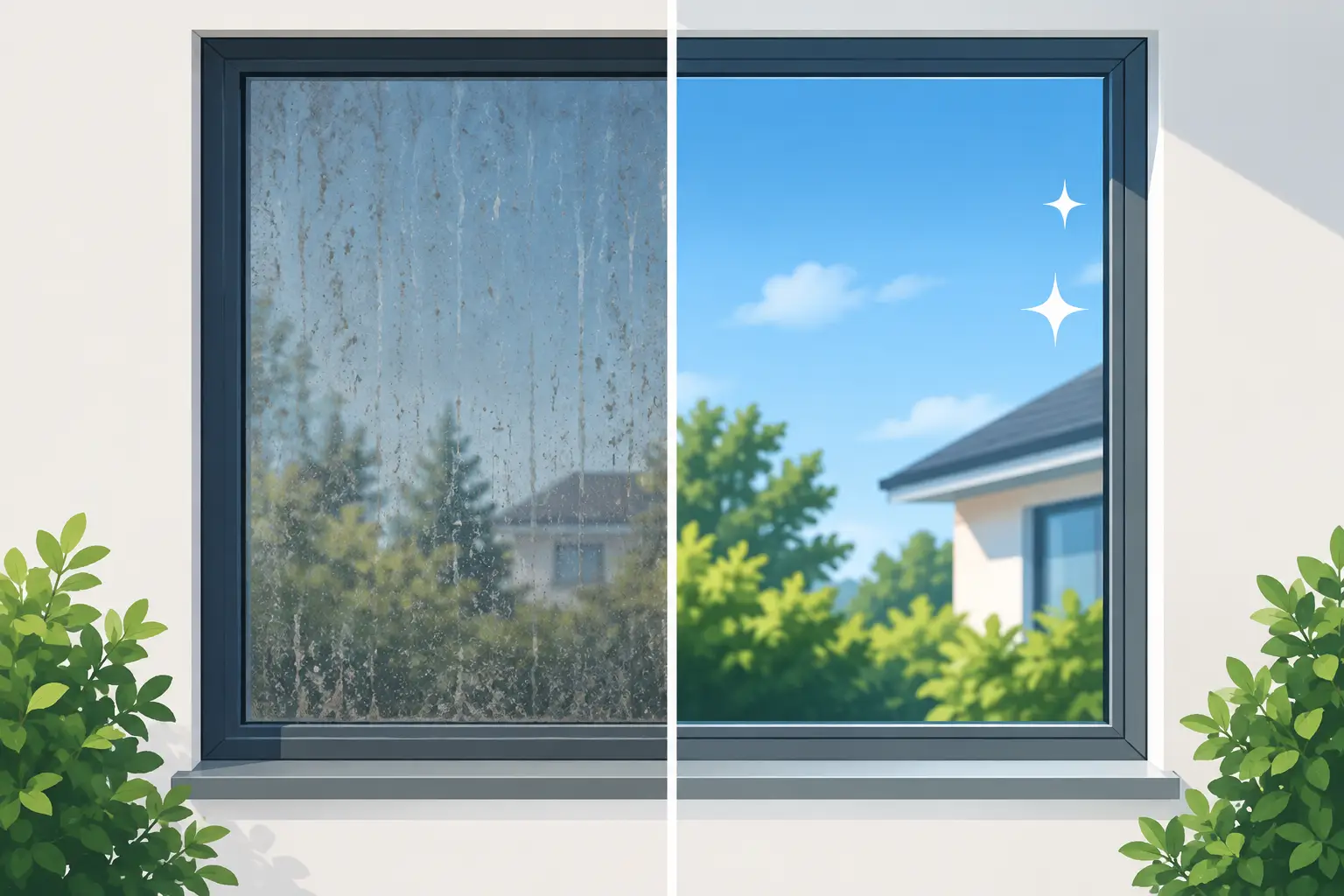
Second-story glass has a way of getting ignored until the sun hits it just right. Suddenly every spot, streak, and layer of dust shows up at once – and so does the question nobody loves answering: who’s getting on the ladder? Safe ladder free window cleaning solves that problem by giving homeowners and business owners a better way to get clear, bright glass without adding avoidable risk.

For properties in Corona, Norco, Eastvale, Riverside County, and nearby Orange County communities, that matters more than people think. Between hard water, dust, pollen, and everyday buildup, windows do not stay clean for long in Southern California. The challenge is not just getting them clean. It is getting them clean safely, thoroughly, and without turning a routine service into a balancing act.

What safe ladder free window cleaning really means

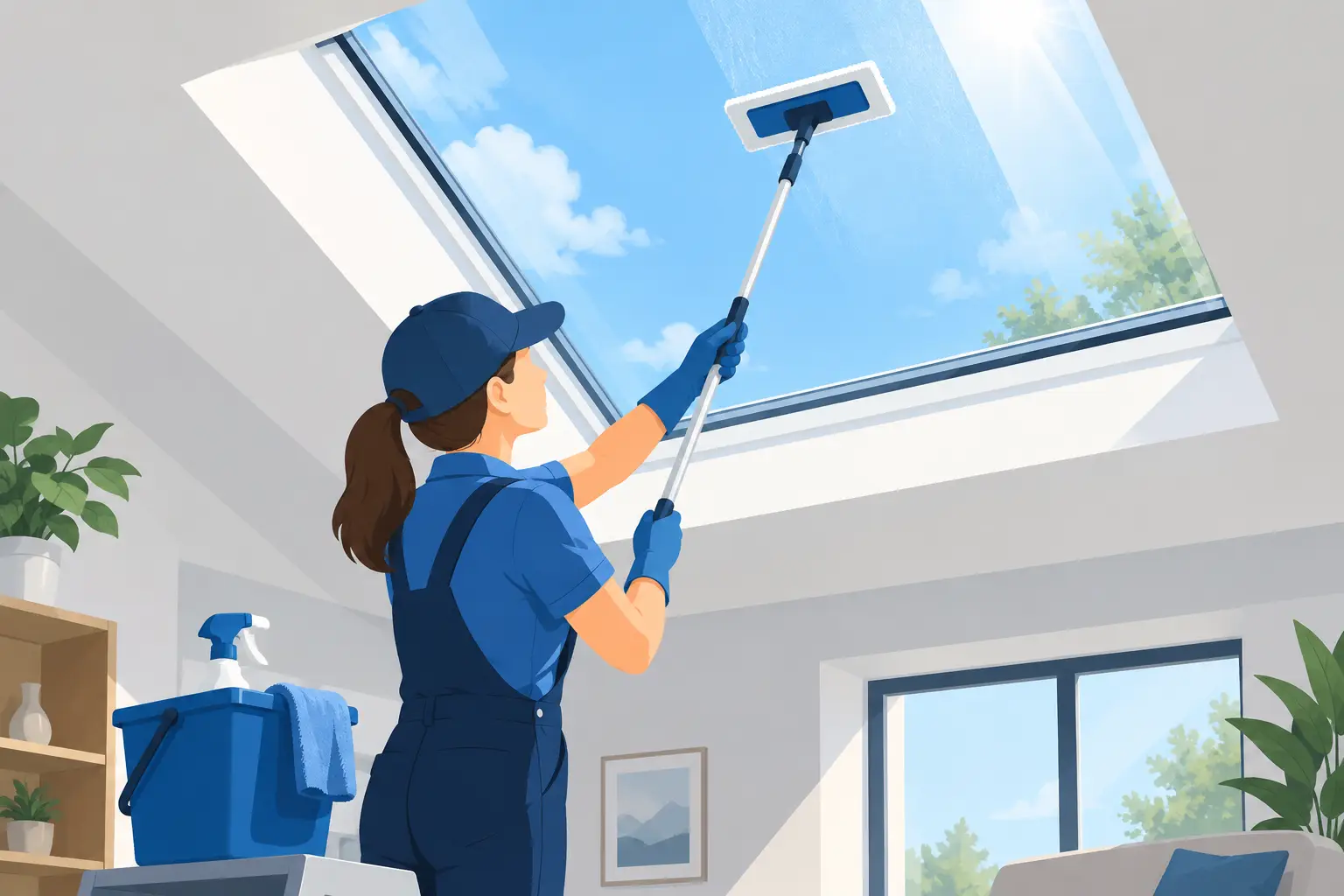
Safe ladder free window cleaning usually refers to professional methods that let technicians clean many exterior windows from the ground or with minimal ladder use. The most effective version of this approach uses purified water and specialized poles that reach upper-floor glass while the cleaner stays planted on solid ground.

That sounds simple, but the benefit is significant. Less ladder use means fewer risky positions, fewer chances for damage around landscaping or building exteriors, and a more controlled process overall. For homeowners, it removes the stress of trying to clean high windows on a weekend. For businesses, it helps keep the job efficient and professional without disrupting the property more than necessary.

This does not mean ladders never have a place. Some layouts, tight angles, interior work, and specialty glass still call for them. The smart approach is not pretending one method fits every job. It is choosing the safest effective method for each window.

Why ladder-free cleaning is gaining ground

A lot of people still picture window cleaning as a bucket, a squeegee, and a ladder. That can work in the right setting, especially for certain detailed jobs. But for many upper-floor exterior windows, modern pure water systems are a better match for both safety and results.

Purified water cleaning removes minerals and impurities from the water before it touches the glass. Because the water is pure, it lifts dirt and rinses away without leaving behind the soap residue or mineral spotting that can happen with traditional methods. The glass dries clear instead of drying into a map of leftover spots.

That is one reason safe ladder free window cleaning has become such a practical option for residential neighborhoods and commercial properties alike. It is not just about avoiding ladders. It is about getting a spot-free finish on windows that are difficult to reach with less risk built into the process.

The safety advantage is real

Most property owners do not need a lecture on why ladders can be risky. They already know. Uneven ground, wet surfaces, soft soil, crowded walkways, decorative rock, sprinkler heads, and awkward window placement all turn a simple task into something less simple fast.

For homeowners, the biggest risk is often the do-it-yourself attempt. It starts with good intentions and ends with overreaching, dragging a ladder across stucco, or climbing higher than feels comfortable. For business owners, the concern shifts to liability, professionalism, and making sure service happens without unnecessary exposure to accidents.

Using an insured, trained professional matters here. So does the method. Ground-based cleaning tools reduce the need to work at height on many jobs, which creates a safer environment for technicians and more peace of mind for the customer. That is not marketing fluff. It is a practical improvement in how the work gets done.

Safe ladder free window cleaning and better results

There is a common assumption that safer means less effective. With window cleaning, that is often backwards. When pure water technology is used correctly, upper windows can come out cleaner because the process is designed to rinse away grime thoroughly and dry without residue.

This is especially useful in Southern California, where hard water and airborne dust can quickly dull glass. Soap can leave behind a film if it is not removed completely. Tap water can dry into spots. A purified water system avoids both issues, which helps the windows stay cleaner-looking longer.

That does not mean every window can be cleaned the exact same way. Glass condition matters. Frames matter. Screens matter. If there is construction debris, paint overspray, or years of neglected buildup, the service may need a more detailed approach. Good technicians know the difference between routine maintenance and restoration-style work, and they adjust accordingly.

Where ladder-free methods make the most sense

Homes with second-story windows are an obvious fit, but they are not the only ones. Townhomes, office buildings, storefronts, medical offices, schools, and apartment properties can all benefit from a method that reaches exterior glass efficiently without turning the site into an obstacle course of equipment.

It is also a strong choice for properties with landscaping that owners want protected. Flower beds, decorative stone, shrubs, and irrigation systems do not always pair well with repeated ladder repositioning. In tighter side yards or around busy entryways, fewer ladders can also mean less disruption.

For commercial properties, appearance and consistency matter just as much as access. Clean front windows affect how customers see a business before they ever walk through the door. If the glass looks neglected, people notice. If it sparkles, they notice that too.

What to look for in a professional service

If you are hiring out this work, method matters, but so does the company behind it. Ask whether the team is trained, insured, and experienced with both residential and commercial properties. Ask how they handle upper-floor glass, what kind of water system they use, and whether they adapt the approach when a ladder is still the safest or most effective choice.

You also want a company that respects your time. Flexible scheduling, clear communication, and dependable arrival windows are part of a professional service, not extras. So is standing behind the work. A guarantee tells you the company expects to deliver windows that brighten your world, not excuses about why the job fell short.

This is one reason many local customers choose Window Cowboys. The appeal is not just shiny glass. It is knowing the crew is trained, insured, and equipped to handle hard-to-reach windows with professional-grade tools and a service mindset that keeps the process easy.

Why this matters for homes and businesses

For homeowners, clean windows change the feel of the whole property. Rooms look brighter. Views look sharper. Curb appeal improves without a renovation budget. And because the work is handled safely, there is no weekend project hanging over your head.

For businesses, the value is even more immediate. Customers read cleanliness as a signal. Smudged front glass, dusty panes, and water spots do not help a storefront, office, or client-facing building make the right first impression. Routine professional cleaning keeps the property looking cared for and open for business.

There is also the convenience factor. When a company can clean efficiently, including hard-to-reach exterior glass, it becomes easier to keep up with maintenance on a recurring basis instead of waiting until the windows look far past due.

A smarter way to think about window cleaning

The old question used to be whether you could get the windows cleaned. The better question now is how to get them cleaned well, safely, and without unnecessary hassle. That is where safe ladder free window cleaning stands out.

It offers a modern solution for a very familiar problem: dirty windows that are too high, too awkward, or too time-consuming to tackle on your own. With the right equipment and the right crew, many of those windows can be cleaned from the ground, leaving behind clear glass, less risk, and a property that looks noticeably sharper.

If your upper windows, storefront glass, or hard-to-reach panes have been sitting on the to-do list, there is no prize for waiting until they bother you even more. A safer, easier option is already here – and when the glass is done right, the whole place feels brighter.

How to Clean Second Story Windows Safely

Second-story windows always seem to collect the most dirt and the least patience. They catch hard water spots, dust, pollen, and spider webs, then sit just high enough to turn a simple chore into a risky afternoon. If you are wondering how to clean second story windows without ending up on a shaky ladder or staring at streaks from the driveway, the good news is that there is a safer and smarter way to get the glass shining again.

How to clean second story windows without taking big risks

The first thing to know is that second-story window cleaning is less about elbow grease and more about access. On ground-floor glass, you can fix mistakes quickly. Upstairs, every bad angle, weak tool, or rushed step gets magnified. That is why safety has to come before results.

For most homeowners, the safest DIY approach is cleaning from the ground with an extension pole and a purified or low-residue water method. If your windows tilt inward, you may also be able to clean the outside from inside the home. What you want to avoid is climbing high with a bucket in one hand and a squeegee in the other, especially on uneven soil, concrete edges, or landscaping that limits ladder placement.

There is also a quality issue to think about. Second-story windows are more exposed to sun and wind, which means soap can dry too quickly and leave streaks behind. If you have ever cleaned glass that looked good up close but terrible from the curb, that is usually the reason.

Start by figuring out what kind of access you actually have

Before grabbing tools, look at the window style. Double-hung windows sometimes tilt in, which can make outside cleaning much easier. Fixed panes, transom windows, and large picture windows are a different story. Those usually require exterior access or long-range equipment.

You should also check what sits below the glass. A flat walkway is one thing. Sloped dirt, decorative rock, shrubs, AC units, or a patio cover can make ladder use much more dangerous. In Southern California neighborhoods, we often see second-story windows above tile roofs, narrow side yards, or landscaped beds that do not allow for stable footing. In those cases, the question is not just how to clean second story windows. It is whether DIY access makes sense at all.

If screens are installed, plan for those too. Many upper screens are not easy to remove from the ground, and cleaning the glass without addressing a dusty screen can limit the final result.

The tools that actually help

If you are going to do this yourself, the right setup makes all the difference. A basic hose and paper towels will not get you far. What works better is an extension pole, a soft brush or sleeve attachment, a quality squeegee if the angle allows, and a cleaning solution that does not leave heavy residue.

For some homeowners, a hose-fed brush works well enough for light maintenance. For others, especially where hard water is an issue, purified water systems produce a better finish because they rinse cleaner and dry spot-free. That is one reason professional crews use pure water technology for upper-floor cleaning. It reduces the need to climb, cuts down on soap residue, and delivers a clearer shine on exterior glass.

A few things are worth avoiding. Abrasive pads can scratch glass. Strong household cleaners may leave film. And pressure washers are rarely a good answer for windows, seals, or screens. They can force water where it should not go and create more problems than they solve.

A practical way to clean second story windows from the ground

If your windows can be reached safely with an extension pole, start by rinsing loose dust and debris. This matters more than people think. If you scrub dry grit into the glass, you make the job harder and risk fine scratching over time.

Next, apply your cleaning solution with a strip washer or soft brush attachment on the pole. Work from top to bottom and do not flood the edges. The goal is to loosen dirt evenly, not soak the frame.

If your pole setup allows for controlled squeegee work, clean in straight passes and wipe the blade between strokes. That said, squeegeeing from the ground is tricky. The angle can make it hard to maintain even pressure, and uneven pressure creates lines. For many homeowners, a rinse-and-dry method with purified water is more forgiving on upper windows than trying to squeegee blindly from below.

Take a step back and inspect the glass from different angles. Sunlight exposes missed spots fast. You may need a second pass around corners where cobwebs or pollen build up.

Cleaning from inside can work, but only on certain windows

Some second-story windows are much easier than they look because they tilt inward. If that is the case, unlock the sash, tilt it carefully, and clean the outside pane from inside the room. Use a towel along the sill to catch drips and keep the floor dry.

This method is convenient, but it depends completely on the window design and condition. Older windows may stick. Some do not tilt at all. And leaning out from an open upstairs window to reach one extra inch of glass is never a smart trade.

For commercial properties, this option usually does not apply. Large storefront systems, fixed office windows, and upper glass panels often need exterior tools and a more professional setup.

When DIY stops being worth it

There is a point where cleaning your own windows costs more in time, frustration, and risk than it saves. That point comes sooner if the windows are above a roofline, blocked by landscaping, stained with mineral buildup, or simply too numerous to handle well.

Hard water spotting is a common example. Regular dirt can usually be washed away. Mineral deposits often need specialized treatment and technique. If you scrub too aggressively, you can damage the glass. If you use the wrong product, you may leave haze behind.

The same goes for homes and businesses that care a lot about presentation. Streaks on upper windows are surprisingly visible from the street. Clean lower glass with spotted upper panes can make the whole property look unfinished. For a business, that affects curb appeal. For a homeowner, it takes away from the crisp, well-kept look people want from the front elevation.

That is why many property owners choose a professional service for second-story work even if they handle easier windows on their own.

What professional cleaning changes

Professional second-story window cleaning is not just about having a taller ladder. The real difference is method, consistency, and safety controls. Trained, insured technicians know how to assess access, choose the right equipment, and clean efficiently without turning the property into an obstacle course.

Pure water cleaning is especially useful on upper-floor exterior glass. The water is filtered to remove minerals and impurities, so it dries without leaving spots. That means fewer streaks, less residue, and less dependence on risky ladder work. It is a cleaner process for the glass and a more practical one for many two-story homes and commercial buildings.

There is also the convenience factor. Most people do not want to spend a Saturday wrestling with extension poles in the sun, then realizing the windows still look dull at sunset. A reliable crew gets the job done faster and with a better final look. For busy families and business owners, that matters.

At Window Cowboys, that is exactly the kind of work we take pride in – making upper-floor glass sparkle without asking customers to deal with the hassle or the hazard themselves.

How often should second-story windows be cleaned?

It depends on exposure and expectations. Homes near traffic, construction, or open dusty areas may need more frequent service. Properties with sprinklers hitting the glass can build hard water stains faster. Businesses usually benefit from a regular schedule because appearance is part of the customer experience.

For many homes, two to four cleanings a year keeps second-story windows looking bright without letting buildup get out of hand. If you wait too long, the work gets more difficult and the results may require extra restoration instead of standard cleaning.

The better goal is clean windows without the gamble

If you want to know how to clean second story windows, the honest answer is this: use the safest access method available, use tools that leave less residue, and be realistic about when the job has crossed into pro territory. Sparkling glass should improve your property, not turn into a balancing act.

When the windows are high, awkward, or heavily spotted, there is real value in handing the work to people who do it every day. Clean glass brightens your home, sharpens your business, and lets the whole property feel better cared for. That is a good result, and it should come without the gamble.

How Often Should Windows Be Cleaned?

You usually notice dirty windows all at once. The morning light hits the glass, fingerprints show up, dust starts softening the view, and suddenly the whole room feels a little less bright. If you have been wondering how often should windows be cleaned, the honest answer is this: often enough to protect the glass, keep your property looking sharp, and avoid letting buildup turn into a bigger job.

For most homes, a professional cleaning twice a year is a solid baseline. For many businesses, monthly or quarterly service makes more sense. But Southern California properties are not all dealing with the same conditions. Wind, hard water, nearby traffic, landscaping, pets, sprinklers, and even construction in the neighborhood can push your ideal schedule up or down.

How often should windows be cleaned at home?

Most homeowners do well with exterior window cleaning every 3 to 6 months and interior cleaning every 4 to 6 months. That schedule keeps glass looking clear without letting dust, pollen, water spots, and grime settle in for too long.

If your home is in Corona, Norco, Eastvale, or nearby parts of Riverside County, you are dealing with a mix of sun, dry dust, wind, and occasional mineral-heavy water spotting. Those conditions can make windows look dull faster than people expect. A house near a busy road may need more frequent service than a home tucked into a quieter neighborhood. The same goes for homes with large sliders, lots of backyard activity, or sprinklers that regularly hit the glass.

Inside the home, the schedule depends more on how you live. Kids, pets, cooking residue, and everyday handprints can make interior glass cloudy fast. If you have big picture windows or doors that get touched constantly, you may want those cleaned more often than the windows in a formal dining room that rarely gets used.

When homes need more frequent window cleaning

Twice a year is a good starting point, not a rule carved in stone. Some homes really need service every 2 to 3 months to stay ahead of buildup.

That is especially true if your windows face strong sun all day, if you get frequent sprinkler overspray, or if you have hard water spots starting to form. Mineral deposits are one of the biggest reasons not to wait too long. Light dust usually cleans up easily. Baked-on hard water stains are another story. Once they sit on the glass for months, they can become more difficult to remove and may even contribute to permanent damage over time.

Homes near new construction also tend to need more attention. Dust from grading, concrete work, and heavy equipment does not stay politely on the ground. It settles everywhere, including window frames, tracks, and glass. In those cases, shorter service intervals save time and keep the property from looking tired between cleanings.

How often should windows be cleaned for businesses?

Commercial properties usually need a more frequent schedule because customers notice the front glass before they notice almost anything else. For storefronts, restaurants, offices, and customer-facing businesses, every 2 weeks to every month is common. For offices with less walk-in traffic, quarterly service may be enough.

Clean windows send a quiet message that the business is cared for, professional, and open for business. Smudged entry glass, dusty panes, and water spots can pull down that first impression quickly. This is not just about appearance, either. Regular cleaning helps keep glass in better condition and reduces the chance that buildup turns into staining.

A retail storefront on a busy street has very different needs than a second-floor office suite. Fingerprints, foot traffic, exhaust, landscaping debris, and weather exposure all matter. The right schedule should match the pace at which the glass actually gets dirty, not a generic once-in-a-while plan.

What affects your ideal cleaning schedule?

The biggest factor is exposure. Exterior glass takes the full hit from dust, wind, rain residue, sprinkler mist, and pollution. Interior glass deals with fingerprints, pet nose prints, cooking film, and normal household dust.

Water quality matters too. In many Southern California areas, hard water spotting is a real issue. If sprinklers hit your windows even occasionally, the mineral deposits can build up fast. Once that happens, routine cleaning becomes less about keeping things pretty and more about preventing long-term glass damage.

The type of property matters as well. A one-story home with easy access may be simple to maintain on a regular basis. A two-story property with lots of upper glass may be less likely to get cleaned often if the owner is relying on DIY effort. That is usually where a professional schedule becomes more practical.

There is also a style preference factor. Some people are perfectly happy cleaning when the windows look noticeably dirty. Others want their home to feel bright and polished all the time. Neither approach is wrong. The right schedule is the one that matches your standards and avoids letting dirt and mineral buildup sit too long.

A practical schedule for most properties

If you want a straightforward answer, here is the easiest way to think about it. Most homes should have windows professionally cleaned at least twice a year. Homes with heavy dust, hard water spotting, pets, kids, or lots of glass often benefit from quarterly cleaning. Businesses should usually plan for monthly, biweekly, or quarterly service depending on visibility and traffic.

Shower glass follows a different timeline. If you have clear shower doors, regular maintenance matters a lot because soap scum and mineral deposits build quickly. Waiting until the glass looks heavily clouded usually means more work and a harder restoration process.

Window tracks, screens, and frames also affect the finished look. Clean glass stands out more when the surrounding areas are not holding dust and debris. That is one reason full-service care often gives a better result than a quick wipe-down.

Why waiting too long costs more than people think

Dirty windows are not just a cosmetic issue. Buildup can etch, stain, and shorten the life of the glass. Hard water deposits, oxidation from screens, and debris trapped in tracks can all create problems that are harder to fix later.

There is also the simple matter of effort. Light maintenance is easier than heavy restoration. When cleaning happens on a sensible schedule, the glass usually comes back to a clear, bright finish faster and more consistently. When it has been neglected for a long stretch, you may be dealing with deeper spotting, stuck-on grime, or years of residue.

For homeowners, regular cleaning protects curb appeal and lets more natural light into the home. For businesses, it protects presentation. In both cases, staying on schedule is usually the more efficient move.

Professional service vs. cleaning windows yourself

A lot of people can manage inside glass and a few easy exterior panes. The trouble starts with second-story windows, awkward angles, stubborn spots, and the time it takes to do the job right. DIY cleaning often leaves behind streaks, residue, or missed edges, especially in direct sunlight.

Professional service is not just about convenience, although that matters. It is also about safety, tools, and results. Trained, insured technicians can handle difficult glass, high windows, and recurring maintenance without turning your weekend into a ladder project. Methods like pure water cleaning can also leave glass spot-free without the soap residue that attracts fresh dirt.

That is why many local property owners choose recurring service instead of waiting until the windows are obviously overdue. It keeps the property looking cared for year-round and removes one more task from the list.

The best timing for Southern California homes and businesses

Spring and fall are popular times for residential window cleaning because they line up well with seasonal dust and the desire to freshen up the property. But if your windows get hit by sprinklers, traffic dust, or regular smudging, quarterly service is often the better fit.

Commercial properties should think less in seasons and more in visibility. If customers or clients see the glass every day, the cleaning schedule should reflect that. A dependable recurring plan keeps things sharp without the stop-and-start hassle of booking only when the dirt becomes impossible to ignore.

If you are still unsure how often your property should be serviced, the best answer is simple: clean the windows before buildup becomes damage, not after. A smart schedule keeps your glass clearer, your property brighter, and your life easier – which is exactly the kind of shine that sparks joy.

Window Washing vs Pressure Washing

If you have dusty windows, pollen on the frames, and grime building up on the patio, it is easy to assume one powerful cleaning method can handle the whole job. That is where a lot of property owners get tripped up. When it comes to window washing vs pressure washing, the right choice depends on what you are cleaning, how delicate the surface is, and what kind of result you actually want.

For homeowners and business owners in Southern California, this matters more than it sounds. Bright sun, hard water, windblown dust, and everyday traffic can leave glass looking dull fast. At the same time, sidewalks, stucco, concrete, and exterior surfaces collect a different kind of buildup entirely. These are not the same cleaning problems, and they should not be treated with the same tool.

Window Washing vs Pressure Washing: What is the Difference?

Window washing is designed specifically for glass and surrounding window components. The goal is clarity, not force. A professional window cleaning service removes dirt, fingerprints, hard water residue, light mineral buildup, and environmental film without scratching the glass or leaving behind streaks and soap residue.

Pressure washing uses a high-powered stream of water to remove dirt, algae, mud, mildew, and surface grime from tougher materials like concrete, stone, brick, some siding, and certain outdoor surfaces. It is built for impact. That strength is useful in the right setting, but it can be a problem around fragile materials.

The simplest way to think about it is this: window washing is precision cleaning, while pressure washing is heavy-duty surface cleaning. One is about shine and visibility. The other is about blasting away buildup from durable areas.

Why Pressure Washing Is Usually Wrong for Windows

This is where people often make an expensive mistake. Glass may look tough, but windows are not just flat panes sitting by themselves. They include seals, screens, frames, tracks, and sometimes aging caulking or weatherproofing. High pressure can stress or damage those parts even if the glass itself does not immediately crack.

A pressure washer can force water past seals, loosen trim, damage screens, and leave frames looking rough. On older windows, the risk goes up. On commercial storefronts, high pressure can also push dirt into corners and edges instead of properly cleaning the glass surface.

Even if a pressure washer does not cause visible damage right away, it usually does not produce the finish people want. You might remove loose grime, but the glass can still dry with spotting, streaking, or mineral residue. Clean is not the same as clear.

That is why professional window washing uses methods meant for glass care, not brute force. Pure water cleaning, soft tools, and proper technique produce the kind of sparkle customers notice from the curb and from inside the building.

When Pressure Washing Makes Sense

Pressure washing absolutely has its place. It is a strong option for surfaces that are built to take it and that collect deep outdoor grime over time.

Driveways, sidewalks, some patios, retaining walls, and certain exterior hardscapes often respond well to pressure washing. These areas deal with tire marks, mud, algae, food spills, and weather stains that regular rinsing will not touch. For commercial properties, pressure washing can also help clean entryways and walk-up areas where presentation matters.

Still, even here, the best answer is not always maximum pressure. Different surfaces require different settings, and some materials are better suited to soft washing or controlled cleaning methods. The real goal is not to hit everything as hard as possible. It is to get the surface clean without shortening its life.

What Professional Window Washing Does Better

When customers schedule professional window cleaning, they are not just paying for someone to spray water on glass. They are paying for a result that looks better and lasts longer.

Professional window washing focuses on the details that change how your property feels. Clean glass lets in more natural light. It sharpens curb appeal. It makes storefronts look open and cared for. Inside a home, it can make rooms feel brighter and fresher with no remodeling required.

The method matters just as much as the effort. Pure water glass cleaning is especially effective because it removes impurities and dries spot-free without leaving soap behind. That is a major advantage in areas where hard water spotting is common. It also allows upper-floor cleaning with less ladder dependence, which improves safety while still delivering a polished finish.

For many property owners, convenience is part of the value too. Window cleaning is one of those jobs that looks simple until you are balancing on a ladder, fighting streaks, and realizing the afternoon sun made every missed spot stand out. A trained, insured crew takes that hassle off your list and gets the shine right the first time.

Window Washing vs Pressure Washing for Homes

Around the house, the choice usually comes down to the material in front of you. If you are cleaning windows, glass doors, shower glass, or other transparent surfaces, window washing is the correct service. If you are dealing with concrete walkways, grimy patio surfaces, or certain masonry areas, pressure washing may be the better fit.

Where homeowners get into trouble is trying to combine the jobs without enough care. For example, a patio cleanup might seem like a good time to spray nearby windows too. But overspray can leave spots, disturb seals, or turn a glass-cleaning job into a repair issue. The same goes for second-story windows, where safety becomes part of the decision.

A good service provider will not force one method onto every surface. They will look at the condition of the property, the materials involved, and the finish you want. That kind of judgment is what protects your investment.

Window Washing vs Pressure Washing for Businesses

For commercial properties, appearances move fast. Customers notice dusty storefront glass, smudged entry doors, and grimy sidewalks before they read a sign or walk up to the counter. That means window washing and pressure washing can both matter, but for different reasons.

Window washing supports visibility, presentation, and trust. Clean storefront glass tells people the business is active, professional, and detail-oriented. Offices benefit too, especially when clients, tenants, or visitors are coming and going throughout the day.

Pressure washing helps with the surrounding environment. Entry pads, curbs, and high-traffic exterior surfaces can build up grime quickly. Keeping those areas clean improves first impressions and can also support safer footing in some conditions.

The best commercial maintenance plans usually treat these as separate services with separate goals. One keeps the glass sparkling. The other keeps the exterior surfaces looking cared for and professional.

The Real Trade-Off: Speed vs Finish

Some people lean toward pressure washing because it feels faster. And on broad, durable surfaces, it often is. But speed is not the same thing as the right outcome.

If your goal is to make windows look spotless, pressure washing is usually the shortcut that creates more work later. You may still need proper window cleaning to remove spots, film, and residue. In that case, the fast method was not really faster.

Window washing takes a more controlled approach, but the finish is the whole point. It is the difference between glass that is merely wet and glass that looks invisible in the best way.

How to Choose the Right Service

If the surface is glass, choose window washing. If the surface is concrete, stone, or another durable exterior material, pressure washing may be appropriate. If the area includes both, treat them as separate cleaning tasks rather than one catch-all job.

It also helps to think beyond the immediate mess. Ask what you are protecting, what kind of finish you expect, and whether the surface can handle force. The cheapest-looking solution on day one can become the costliest one if it scratches glass, weakens seals, or leaves your property looking half-clean.

That is why experienced providers pay attention to technique, equipment, and surface type instead of relying on one tool for everything. At Window Cowboys, that service mindset is simple: use the right method, protect the property, and leave behind a result that brightens your world instead of creating another problem to fix.

If your windows need real clarity and your exterior surfaces need the right kind of muscle, the smartest move is not choosing the stronger tool. It is choosing the right one for each job so your property looks clean, cared for, and ready to shine.

Shower Door Maintenance Guide for Clear Glass

That cloudy film on a shower door rarely shows up all at once. It builds day by day – a little hard water here, a little soap residue there – until the glass starts looking tired even when the rest of the bathroom is clean. A good shower door maintenance guide is really about staying ahead of that buildup, so your glass keeps its shine and you spend less time scrubbing later.

In Southern California homes, hard water is often the real troublemaker. Soap scum gets the blame, but minerals in the water are usually what turn clear glass hazy, leave white spotting behind, and make doors feel rough instead of smooth. The longer those minerals sit, the harder they are to remove. That is why smart maintenance is less about deep cleaning every weekend and more about simple habits that protect the glass before stains settle in.

Why shower doors get cloudy so fast

A shower door deals with a rough combination every day. Warm water hits the glass, minerals dry on the surface, soap splashes around, and steam keeps everything damp longer than you think. If the bathroom has limited airflow, moisture hangs around even more, giving residue extra time to stick.

Frameless doors often show buildup faster because there is nowhere for residue to hide. Framed doors can be even trickier because grime collects around tracks, seals, and corners. Neither is better or worse in every case. Frameless glass usually looks cleaner and is easier to wipe down, while framed systems may need more attention in the hardware and channels.

Cleaning products can also create problems when they leave their own film behind. Some off-the-shelf sprays make the glass look better for a day, then attract more residue after repeated use. If your shower door never seems fully clear, the cleaner itself may be part of the cycle.

A practical shower door maintenance guide for weekly care

The best routine is the one you will actually keep. For most households, that means quick daily habits and a more focused weekly clean. You do not need a cabinet full of specialty products. You need consistency.

After each shower, use a squeegee or microfiber cloth to remove water from the glass. This one step does more than almost anything else because it cuts down the mineral deposits left behind as droplets dry. It takes less than a minute and saves a lot of elbow grease later.

Keep the shower ventilated too. Run the exhaust fan during and after the shower, or crack a window if you have one nearby. Less lingering moisture means slower buildup on the glass, less mildew around seals, and a fresher bathroom overall.

Once a week, clean the door with a non-abrasive glass-safe cleaner. A soft microfiber cloth or non-scratch sponge works well. Focus on areas where water hits most often, especially the lower half of the door and around the handle. Rinse thoroughly if the product calls for it, then dry the glass instead of letting it air dry.

That last part matters. Air drying often leaves the same spots you were trying to avoid in the first place.

What to use – and what to avoid

If you want shower glass to stay clear, the wrong tools can do damage even faster than hard water. Abrasive pads, steel wool, and harsh powders may remove residue in the short term, but they can scratch the surface or wear down protective coatings. Once that happens, the glass can attract buildup even faster.

Ammonia-heavy products are another mixed bag. They may cut through grime, but repeated use around metal finishes, seals, and certain coatings is not always a great long-term move. The safer approach is a non-abrasive cleaner intended for shower glass, paired with a soft cloth and patience.

Homemade solutions can work, but they depend on the problem. A light maintenance wipe is different from tackling months of hard water staining. Vinegar-based cleaning is common for mineral residue, but it should be used carefully around natural stone, certain finishes, and some hardware. If your shower has specialty glass coating or premium trim, check care instructions before trying any DIY remedy.

That is one of those areas where it depends. A quick online tip may sound easy, but not every shower door material reacts the same way.

How to handle hard water spots before they become permanent

Hard water spots start as a surface issue, then turn into a restoration job if they are ignored too long. When minerals bake onto the glass over time, regular cleaners often stop working. You can scrub harder, but that usually means more frustration and not much more shine.

The smarter move is to treat fresh spotting early. If you notice white dots, hazy patches, or a rough feel on the glass, step up your routine before the problem gets deeper. Clean the door more thoroughly, dry it after every use, and pay attention to whether your current product is actually removing residue or just moving it around.

If the glass still looks etched after cleaning, there is a chance you are not dealing with simple buildup anymore. Mineral deposits and true etching can look similar, but they are not the same. Deposits sit on the surface. Etching is actual wear or damage to the glass. That distinction matters because etched glass may improve with professional restoration, but it will not respond the way fresh residue does.

Don’t forget tracks, hinges, and seals

Clear glass gets the attention, but hardware is where a lot of maintenance gets overlooked. Tracks collect standing water, soap residue, hair, and grime. Hinges and handles can show spotting and corrosion if they stay wet too often. Rubber seals and sweeps can trap mildew if they are never cleaned or dried.

A weekly wipe of these areas helps prevent small issues from turning into expensive ones. Use a soft cloth and take a little extra time around the bottom track or door sweep. If a sliding door is not moving smoothly, built-up debris may be part of the problem.

Be gentle with hardware. Aggressive scrubbing can damage finishes, and the wrong cleaner can dull metal over time. The goal is not just clean glass. It is a shower door that looks sharp and works properly.

When DIY maintenance stops being enough

There is a point where regular household cleaning hits a wall. If the door stays cloudy no matter what you use, if there are thick hard water deposits, or if the glass has not had a proper deep clean in a long time, professional service can save a lot of trial and error.

This is especially true for larger showers, luxury frameless enclosures, or commercial properties where appearance matters every day. Storefront bathrooms, office restrooms, rental properties, and busy family homes all put shower glass through more wear than they may realize. In those situations, maintenance is not just about looks. It is about preserving the glass and keeping the space feeling cared for.

Professional cleaning also has a safety and quality advantage. Shower enclosures can be awkward to reach, and working around glass, corners, and slippery surfaces is not everybody’s idea of a good Saturday. A trained crew can often spot early signs of mineral damage, seal wear, or neglected buildup before it becomes a bigger repair issue.

For homeowners who want the sparkle without the hassle, this is where a local glass care company can really earn its keep. Window Cowboys, for example, serves Southern California property owners who want that clear, polished finish without spending their own time fighting haze and hard water stains.

How often should shower doors be cleaned?

For most homes, a light daily wipe and weekly cleaning is the sweet spot. If your shower gets used multiple times a day, or if your water leaves heavy spotting, you may need more frequent attention. On the other hand, a guest bathroom with occasional use can usually go longer between full cleanings.

The real answer depends on water quality, ventilation, product use, and how much buildup you are willing to tolerate before cleaning. Some households want the glass spotless all the time. Others are fine with a little haze between cleanings. Neither approach is wrong, but waiting too long usually means more work later.

Keeping shower glass clear longer

The easiest way to protect shower doors is to make maintenance feel automatic. Keep a squeegee in the shower. Use a microfiber cloth that is easy to grab. Choose a cleaner you do not mind using. Small convenience factors make a big difference in whether the routine sticks.

If your shower door already has a protective coating, treat it carefully so it keeps doing its job. If it does not, and you are replacing glass or installing a new enclosure, ask about protective options up front. They will not eliminate maintenance, but they can reduce how quickly residue bonds to the surface.

Clear shower glass brightens the whole bathroom. It makes tile look better, makes the room feel cleaner, and gives the space that crisp finish people notice right away. A little steady care goes a long way – and if the buildup has gotten ahead of you, getting professional help is often the fastest path back to that fresh, bright shine.

Best Commercial Window Cleaning Methods

First impressions start before a customer opens the door. If the glass is streaked, dusty, or covered in hard water spots, your building can look tired even when the inside is spotless. That is why choosing the best commercial window cleaning methods matters for more than appearance. It affects curb appeal, customer confidence, natural light, and how professionally your business shows up every day.

Not every building needs the same approach. A single-story storefront in Corona has different needs than a multi-story office, a restaurant with grease on exterior glass, or a medical office that needs clean, clear windows without disruption. The right method depends on the type of glass, height, access, surrounding dust, and how often the property is cleaned.

What makes a commercial window cleaning method the best?

The best method is not always the most aggressive or the most expensive. It is the one that delivers consistently clear glass, keeps technicians safe, and fits the building without creating a mess or interrupting business.

For commercial properties, three things matter most. First is the final result. Glass should look clear, not hazy, streaked, or dotted with residue. Second is safety. Upper-floor glass, awkward rooflines, and busy walkways call for techniques that reduce unnecessary ladder work and control risk. Third is efficiency. Business owners need a process that works on schedule and keeps the property looking sharp without constant headaches.

That is why professional companies often use a mix of methods instead of relying on one tool for every job.

Best commercial window cleaning methods for different buildings

Traditional squeegee cleaning

The squeegee method is still one of the most reliable ways to clean commercial glass, especially on storefronts and interior windows. It typically involves wetting the glass with a cleaning solution, loosening dirt with a scrubber, and pulling the water away with a professional-grade squeegee.

When done well, this method creates crisp, detailed results. It works especially well on ground-level retail glass, entry doors, lobby glass, and interior partitions where close-up appearance matters. It also gives technicians precise control around frames, decals, and edges.

The trade-off is speed and reach. For larger buildings or upper floors, traditional cleaning often requires more ladder work or lift access. It can also leave residue behind if the soap mix is too strong or the water quality is poor.

Pure water cleaning systems

Pure water cleaning has become one of the best commercial window cleaning methods for many exterior jobs, especially on taller buildings and properties with lots of glass. This process uses purified water that has had minerals and impurities removed. The water is fed through a pole with a soft brush, which loosens dirt on the glass and frames. Because the water is pure, it dries spot-free without soap residue.

This method has real advantages for Southern California commercial properties. It is excellent for regular maintenance, helps reduce ladder use on upper floors, and cleans not just the glass but also surrounding frames and sills. That matters because dirty frames can wash grime back onto the glass after a cleaning.

It is not the right answer for every first-time cleanup. If the windows have paint specks, heavy hard water staining, adhesive, or construction debris, pure water alone may not be enough. But for ongoing exterior maintenance, it is hard to beat for safety, efficiency, and sparkle.

Water-fed pole cleaning for upper floors

Water-fed pole systems are closely tied to pure water cleaning, but the key benefit here is access. These poles allow technicians to clean windows from the ground rather than climbing ladders for many second- and third-story applications.

For offices, business parks, schools, and retail centers, that can be a major advantage. Less ladder use often means safer service, faster setups, and less disruption around entryways and sidewalks. It is also a good fit for recurring service, where keeping glass consistently clean matters more than tackling years of built-up neglect in one visit.

The main limitation is that some windows still require direct hand work. Deeply recessed glass, tight architectural features, or severe buildup may call for a more traditional touch.

Detail cleaning for interior commercial glass

Interior glass needs a different approach from exterior cleaning. Fingerprints, smudges, dust, and HVAC film show up fast inside offices, conference rooms, retail entrances, and waiting areas. These surfaces usually respond best to careful hand cleaning with professional tools and lint-free detailing.

This is where craftsmanship really shows. Interior glass is viewed up close, often under direct lighting, so little mistakes stand out. A rushed job can leave swipe marks, drip trails, or residue in the corners. A properly trained technician will clean the glass, detail the edges, and leave the surrounding area neat.

For businesses that meet clients face to face, this method is just as important as exterior service. Clean interior glass brightens the space and keeps the whole business looking cared for.

The best commercial window cleaning methods depend on the problem

A method can be excellent for maintenance and still be the wrong choice for restoration. That is where experience matters.

If your building deals with hard water spotting from sprinklers, simple washing may not solve the issue. Mineral deposits often need specialty treatment and careful removal. If you manage a restaurant or busy storefront near traffic, grease and airborne buildup can call for stronger hand cleaning. If the property is newly built or renovated, construction debris on glass requires extra caution to avoid scratching.

In other words, the best commercial window cleaning methods are situational. A good provider should look at the condition of the glass, not just the square footage, and recommend the process that actually fits.

Safety is part of the cleaning method

Business owners often focus on results first, which makes sense. But safety should be part of the conversation from the beginning. Commercial window cleaning can involve ladders, roof access, wet walkways, and high-traffic areas. The method matters because it affects both risk and efficiency.

Methods that reduce unnecessary climbing are often the smartest choice for routine maintenance. Ground-based pole systems, purified water technology, and trained workflow planning all help lower risk while still delivering a polished finish. That is especially valuable for businesses that want dependable service without turning the front of the building into a jobsite.

A professional company should also be insured, trained, and prepared to work around customers, employees, and business hours. Clean glass should never come at the cost of a chaotic or unsafe experience.

How often should commercial windows be cleaned?

The best method works even better when the schedule is right. In many cases, businesses wait too long between cleanings, which allows dirt, oxidation, and spotting to build up. Then the next service takes longer and costs more effort to restore the glass.

Storefronts often benefit from more frequent service because they are customer-facing and touched constantly. Offices may do well on a monthly or quarterly schedule depending on traffic and landscaping. Buildings near busy roads, sprinklers, or construction zones usually need more attention than properties in cleaner environments.

Regular service keeps the glass looking brighter and makes each visit more effective. It also helps protect the long-term appearance of the windows instead of treating cleaning like a once-in-a-while rescue job.

What commercial property owners should look for

If you are comparing providers, do not just ask for a price. Ask how they clean, what method they use for upper floors, and how they handle problem glass. You want a company that can explain the difference between maintenance cleaning and restoration work, and one that has a clear plan for safety and scheduling.

It also helps to choose a team that understands local conditions. Dust, heat, sprinkler overspray, and constant sun all affect commercial glass in Riverside County and nearby areas. A local service partner will know which methods hold up best and how often your property may need attention to keep that fresh, professional shine.

For many businesses, the strongest approach is a combination of traditional detailing for customer-facing glass and pure water cleaning for exterior maintenance at height. That blend gives you the close-up quality people notice and the efficiency needed to keep larger buildings looking sharp.

Window Cowboys has built its reputation around exactly that kind of practical, high-standard service – clear results, safer methods, and scheduling that works for busy property owners.

Clean glass does more than reflect sunlight. It tells customers your business pays attention, takes pride in its space, and is ready for the day ahead.

Before and After Shower Door Cleaning Results

Cloudy shower glass has a way of making the whole bathroom feel less clean, even right after you scrubbed everything else. That is why before and after shower door cleaning gets so much attention – the change is immediate, visible, and surprisingly satisfying. When mineral buildup, soap scum, and hard water stains come off the glass, the room looks brighter, newer, and better cared for.

For many homeowners, that transformation is the difference between a bathroom that feels tired and one that feels fresh again. And in Southern California, where hard water can leave stubborn spotting on glass, shower doors tend to show wear faster than people expect.

What before and after shower door cleaning really shows

The biggest difference is not just that the glass looks cleaner. It is that the entire shower starts to look more open. Clear glass reflects more light, shows off tile work, and removes that hazy film that makes the space seem older than it is.

Before cleaning, most shower doors have a mix of issues layered together. There may be soap residue near the handles, hard water stains across the panels, and mineral etching beginning to dull the surface. Sometimes homeowners assume the glass is permanently damaged when it is actually buried under buildup.

After proper cleaning, the glass can look dramatically clearer, but the result depends on what is sitting on the surface versus what has already etched into it. That distinction matters. A good cleaning can remove residue and deposits. It cannot always reverse years of untreated damage.

Why shower doors get cloudy so fast

Shower doors deal with a rough combination every day – water, soap, shampoo, body oils, steam, and air circulation that is not always great. If your home has hard water, minerals dry onto the glass and leave behind white or chalky spots. Add soap scum to the mix, and that light haze turns into a stubborn film.

This buildup often starts small. At first, it looks like a few spots after a shower. Then it spreads into a dull cast over the whole door. Once that layer thickens, basic glass cleaner usually will not touch it.

Bathrooms with poor ventilation tend to have a tougher time. So do showers that are used by several people each day. Frameless glass can look especially sleek when clean, but it also makes every streak, drip, and spot more obvious.

The difference between buildup and permanent damage

This is where expectations need to be honest. Not every before and after shower door cleaning story ends with perfect, like-new glass. Sometimes the problem is surface contamination. Sometimes it is etching.

Surface contamination includes soap scum, hard water deposits, and residue that sits on top of the glass. These issues can often be cleaned off with the right process and products. Etching is different. It happens when minerals stay on the glass long enough to start wearing into the surface itself.

If your shower door feels rough, looks dull even when wet, or still seems spotted after repeated cleaning, etching may be part of the problem. Professional cleaning can still improve the appearance, sometimes significantly, but there are cases where restoration has limits. A trustworthy service should say that clearly.

DIY before and after shower door cleaning – when it works

If the buildup is recent and moderate, a do-it-yourself approach can make a real difference. Many homeowners get solid results when they clean consistently instead of waiting until the glass turns fully opaque.

The key is using methods that break down residue without scratching the glass or damaging hardware. Gentle non-abrasive cleaners, microfiber cloths, proper rinsing, and a little patience usually outperform aggressive scrubbing with the wrong tools. What you want is removal, not surface damage.

The challenge with DIY cleaning is that it often takes longer than expected. Heavy buildup rarely comes off in one pass. You may need repeated applications and careful hand work around edges, tracks, and handles. If the door has years of hard water staining, the time investment can be frustrating.

There is also the risk of making things worse. Abrasive pads, harsh powders, and random internet tricks can leave scratches or haze. That is a rough trade if you were trying to improve the look of the glass.

When professional shower door cleaning makes more sense

Professional service usually makes the most sense when the glass has heavy mineral staining, the doors are large, the hardware needs careful treatment, or you simply do not want to spend your weekend fighting hard water spots. For many property owners, convenience is a big part of the value.

A trained technician knows how to identify what is removable, what is etched, and what process gives the safest result for the glass. That matters because shower doors are not just flat panes. There are seals, frames, rollers, tracks, and specialty finishes that can be damaged by the wrong product.

The other advantage is consistency. A professional approach tends to produce a more even finish, especially across large panels where streaking and patchy haze stand out. If your goal is that crisp before-and-after change, technique matters just as much as effort.

What a strong result should look like

A good result is not just “less dirty.” The glass should look clearer from multiple angles, not only straight on. Water spots should be reduced or removed where possible, the haze should be gone or significantly improved, and the door should no longer distract from the rest of the bathroom.

Metal hardware should also look cleaner, provided the finish allows for safe treatment. Tracks and edges should not be packed with residue. The whole enclosure should feel brighter and more polished.

If some spotting remains, that does not always mean the cleaning failed. It may mean the glass has permanent etching. Honest service is about improving what can be restored and being upfront about what cannot.

How to keep the “after” looking good longer

The best after-photo only lasts if the glass gets some routine care. The good news is that maintenance is much easier than deep restoration.

A quick squeegee after showers helps more than most people realize. It removes water before minerals dry onto the surface. Wiping down problem areas near handles and lower panels also slows buildup. If your bathroom holds moisture, better ventilation can make a noticeable difference.

Regular cleaning matters too. You do not need to attack the glass every day, but letting residue sit for months is what turns a manageable cleaning job into a tougher restoration project. Think of it the same way you think about exterior glass – easier to maintain than to rescue.

Some homeowners also benefit from professional recurring glass care, especially in homes with hard water or high shower use. That can keep the doors clear without letting buildup reach the point where it becomes a major project.

Before and after shower door cleaning for home value and daily comfort

This is not just about appearances, although the visual improvement is a big one. Clean shower glass changes how the bathroom feels day to day. It gives the room a cleaner, lighter look and supports the sense that the home is well maintained.

That matters if you are hosting guests, preparing to sell, or simply trying to enjoy your own space more. Bathrooms and kitchens tend to shape how people judge cleanliness in a home. Cloudy glass can quietly drag down that impression.

For commercial properties, the same principle applies. If a restroom or shower facility is part of the customer or staff experience, clean glass supports a more professional presentation. Details count, and glass is one of the first details people notice when light hits it.

Choosing the right help for the job

If you hire a professional, look for a company that treats glass care like a specialty, not an afterthought. Shower doors need a careful hand, clear communication, and realistic expectations. Insurance, training, and a reputation for quality matter because the goal is not just fast service. It is visible improvement without damage.

This is where a local company with real experience can stand apart. Window Cowboys, for example, serves homeowners and businesses that want dependable results without the guesswork, and that service-first mindset matters when you are trusting someone with the glass surfaces inside your home.

The best choice is a provider that respects your time, explains the likely outcome, and stands behind the work. If a company promises perfection on severely etched glass without even seeing it, that is usually a red flag.

A clear shower door does more than sparkle. It makes the whole room feel lighter, cleaner, and easier to enjoy, and sometimes that one change is all it takes to make your bathroom feel right again.

Is Pure Water Window Cleaning Worth It?

If you have ever looked at freshly cleaned windows only to see spots show up as the glass dries, you are asking the right question: is pure water window cleaning worth it? For many homeowners and business owners in Corona, Norco, Eastvale, and nearby communities, the short answer is yes. But like any professional service, the real answer depends on the condition of the glass, the type of property, and what kind of result you expect.

Pure water cleaning has become a popular choice because it solves one of the biggest frustrations in window care – residue. Traditional cleaning methods often rely on soap or chemical cleaners. They can work well, especially in skilled hands, but they also leave behind the possibility of streaks or film if the glass is not rinsed and detailed properly. Pure water changes that equation.

What pure water window cleaning actually is

Pure water window cleaning uses water that has been filtered to remove minerals, sediments, and impurities. That matters because ordinary tap water contains dissolved solids like calcium and magnesium. When regular water dries on glass, those minerals can stay behind and create spots.

With pure water, there is nothing left behind after the water evaporates. The glass is scrubbed with specialized brushes, rinsed with purified water, and then left to air dry. When the job is done correctly, the result is clean, clear, spot-free glass without soap residue.

This method is especially effective for exterior window cleaning, where dust, pollen, and everyday grime build up fast in Southern California. It is also a strong option for upper-story windows because technicians can often clean from the ground using water-fed poles instead of relying as heavily on ladders.

Is pure water window cleaning worth it for your property?

For many properties, yes – pure water window cleaning is worth it because it combines appearance, safety, and efficiency in a way that traditional methods do not always match. If your main goal is sparkling exterior glass with less risk and less fuss, it is a smart investment.

That said, this is not one of those situations where one method wins every time. Pure water cleaning shines in the right conditions. On heavily neglected windows, post-construction cleanup, or glass with paint, adhesive, or hard water staining, a more hands-on approach may still be needed first. Pure water is excellent for routine maintenance, but it is not a magic fix for every problem on every pane.

The value comes from matching the method to the job.

Why homeowners often see better results

Most homeowners do not think about what is in their water until it dries on the glass. Once you understand that mineral content causes spotting, pure water cleaning makes a lot more sense.

For residential properties, one of the biggest benefits is consistency. Exterior windows collect airborne dust, sprinkler overspray, fingerprints, cobwebs, and pollution. Pure water systems are built to remove that grime and rinse it away cleanly. Since there is no soap left behind, there is less chance of residue attracting dirt afterward.

Another big advantage is access. Second-story and hard-to-reach windows are often the ones homeowners avoid. That is understandable. Climbing ladders around landscaping, uneven ground, or tile walkways is not worth the risk for most people. Pure water systems allow trained technicians to reach many upper windows safely from the ground, which helps protect both your property and the crew doing the work.

And then there is the simple visual payoff. Clean exterior glass brightens the whole home. More natural light comes in. Curb appeal gets a lift. The house looks cared for, not just from ten feet away, but right from the street.

Why commercial properties benefit too

If you run a storefront, office, or customer-facing business, first impressions happen before anyone opens the door. Smudged or spotted windows can make the whole place feel less polished, even if everything inside is spotless.

Pure water cleaning is often worth it for commercial properties because it works well on recurring service routes. Businesses need reliable results and minimal disruption. A system that cleans efficiently, dries clear, and reduces ladder traffic around entrances or walkways is a practical advantage.

For multi-pane storefronts and low-rise office buildings, pure water cleaning can help maintain a sharp, professional look without turning window service into an all-day production. That matters when you want the glass to shine but you also need business to keep moving.

The biggest advantages of pure water cleaning

The strongest case for pure water cleaning comes down to three things: cleaner glass, safer access, and better maintenance over time.

Cleaner glass starts with the rinse. Because purified water does not leave mineral deposits behind, the finish is naturally clearer when the work is done properly. You are not relying on a squeegee alone to pull every bit of moisture off the pane. The rinse itself is part of what creates the final result.

Safety matters just as much. Any method that reduces unnecessary ladder work is worth paying attention to, especially on taller homes or commercial buildings. Ground-based pole systems do not eliminate all risk in window cleaning, but they can reduce it significantly in the right setup.

Maintenance is the third piece people sometimes overlook. Windows that are cleaned on a regular schedule tend to stay in better shape. Dirt, pollen, and grime are easier to remove when they are not allowed to bake onto the glass month after month. Pure water cleaning is a strong fit for ongoing service because it is efficient and repeatable.

Where pure water cleaning has limits

A professional answer has to include the trade-offs. Pure water cleaning is highly effective, but it is not the answer to every glass issue.

If a window has hard water stains from sprinkler systems, oxidation from old frames, silicone smears, paint specks, or post-construction debris, pure water alone may not remove the problem. Those issues often require restoration work, scraping by trained technicians when appropriate, or specialized stain treatments.

Interior windows are another consideration. Pure water cleaning is mostly associated with exterior work. Inside the home or office, technicians may use different tools and techniques depending on the glass, surrounding surfaces, and type of buildup.

This is why professional assessment matters. A trustworthy company will not pretend one method does it all. They will tell you when pure water is the best choice and when a more detailed approach is needed to get the glass where it should be.

Is it worth the cost compared to traditional cleaning?

If you are comparing service options, the better question is not just price. It is value.

A lower-priced window cleaning that leaves spots, misses upper glass, or creates safety concerns is not really the better deal. Pure water cleaning is often worth the cost because it can produce a better exterior finish, improve safety, and make routine service more efficient. For busy homeowners and business owners, that convenience matters.

The cost difference also tends to make more sense when you think long term. Well-maintained windows look better between visits and are easier to keep clean over time. If your goal is dependable sparkle without the hassle, paying for a method that supports that goal is usually money well spent.

How to tell if it is right for you

If your exterior windows are regularly exposed to dust, pollen, and weather, pure water cleaning is likely a great fit. If you have second-story glass or hard-to-reach windows, it becomes even more appealing. If you care about spot-free results and want less disruption around your property, it is hard to ignore the benefits.

If your windows have heavy staining or damage, you may need more than pure water alone. That does not make the method less valuable. It just means the best service plan may combine techniques.

For local property owners who want professional results without the stress of doing it themselves, this is where an experienced team makes the difference. A company like Window Cowboys can evaluate the glass, use the right method for the condition, and help your home or business shine the way it should.

Clean windows should not be a gamble. When the right system is used for the right job, pure water cleaning delivers the kind of clear, bright finish people notice right away. If your goal is safer service, less residue, and glass that really sparkles, it is more than worth considering. It may be the easiest way to brighten your property and enjoy the view again.

How to Do Professional Window Cleaning

Clean glass tells on you fast. One missed edge, one trail of drips, or one layer of hard water haze can make an entire home or storefront look tired. If you want to know how to do professional window cleaning, the real difference is not just effort. It is method, safety, and knowing what kind of glass, dirt, and access issue you are dealing with before you ever touch the pane.

Professional window cleaning is about producing a clear, streak-free finish without damaging frames, scratching glass, or creating a safety problem. That matters whether you are caring for a home in Corona, keeping a storefront sharp in Eastvale, or maintaining office glass that customers notice before they ever walk through the door.

What professional window cleaning really means

A professional result is not simply a cleaner window than you had before. It means the full glass surface is addressed, the edges are finished well, screens and tracks are considered when needed, and the cleaning method fits the building. The glass should dry clean, look even in direct sunlight, and stay cleaner longer because it was not left with soap film or messy residue.

That is where many do-it-yourself jobs fall short. People often use too much soap, the wrong towels, or a technique that spreads dirt around instead of removing it. On upper-floor windows, the problem gets bigger. The challenge is not only getting the glass wet. It is getting it clean and letting it dry without spots while working safely and efficiently.

How to do professional window cleaning without streaks

The first step is choosing the right tools. Basic household paper towels and off-the-shelf blue spray usually will not get you to a true professional finish. Pros rely on a few essentials: a quality squeegee with fresh rubber, a scrubber or washer sleeve, clean detailing towels, a bucket, and the right cleaning solution or purified water system depending on the job.

For ground-level interior glass, a traditional hand-cleaning method still works very well. You wet the glass evenly, loosen the soil, and pull the water off with a controlled squeegee pattern. The key is keeping the rubber edge clean and wiping the blade often. If the blade drags dirty water back across the pane, you create streaks instead of shine.

Technique matters more than speed. Start at the top, work across or down in a consistent pattern, and keep the edge of the squeegee angled so water moves in one direction. Finish by detailing the edges lightly with a lint-free towel. Lightly is the important word. Overworking the edges with a towel is one of the fastest ways to leave fibers and smears behind.

The right method depends on the glass

Not every window should be cleaned the same way. Interior glass often collects fingerprints, pet nose marks, cooking film, and dust. Exterior glass sees mineral deposits, pollen, bug residue, sprinkler overspray, and oxidation from surrounding materials. Shower glass has its own set of problems, especially soap scum and hard water staining.

This is why professional cleaners assess before they start. If the issue is basic dirt, a standard cleaning may be enough. If the glass has baked-on mineral deposits, post-construction debris, or years of neglect, you may need restoration steps beyond a routine wash. That also means slowing down and using products or tools that will not damage tempered glass, low-E coatings, or surrounding finishes.

One important trade-off here is time versus results. A quick wipe can improve appearance, but it will not match a proper cleaning that removes contamination and leaves the pane uniformly clear. For commercial properties, that difference shows up in curb appeal. For homes, it shows up in how much brighter the room feels once the glass is actually clean.

Pure water changes the game on exterior windows

If you are serious about how to do professional window cleaning on exterior glass, especially upper floors, pure water cleaning deserves attention. This method uses deionized or otherwise purified water delivered through a water-fed pole system. Because the water has been stripped of minerals and impurities, it dries spot-free on the glass.

That solves a major problem with standard hose water. Tap water often leaves mineral spotting when it dries, especially in Southern California. Pure water systems allow exterior windows, frames, and even some surrounding surfaces to be rinsed thoroughly without soap residue. The finish is cleaner, and there is no sticky film left behind to attract new dirt as quickly.

It also changes the safety equation. Instead of climbing ladders for every upper-floor window, technicians can often clean from the ground with extension poles. That does not eliminate all risk, but it reduces ladder use and creates a more controlled process. For many homes and commercial buildings, that is a smarter and more professional approach.

Safety is part of the job, not an extra

A lot of people think window cleaning is simple until they are balancing on a ladder with a wet tool in one hand and a towel in the other. Professional window cleaning always includes risk management. That means checking ladder footing, avoiding overreach, watching for power lines, securing work areas, and using the right access method for the height and layout.

There is also liability to think about. On commercial jobs in particular, professionalism includes trained, insured technicians who know how to work around foot traffic, signage, landscaping, and fragile surfaces. A clean window is great. A clean window with no damage, no disruption, and no safety incident is what customers are really paying for.

This is one reason many property owners hire the job out instead of trying to patch together a weekend solution. Convenience matters, but safety is the bigger issue once the glass is high, hard to reach, or part of a larger property.

Common mistakes that keep windows from looking professional

The biggest mistake is using too much chemical cleaner. More product does not mean more shine. It often means more residue. Another common issue is cleaning in direct hot sun without adjusting your process. When the solution dries too fast, streaking gets worse and detailing becomes harder.

Dirty tools cause just as many problems. A worn squeegee blade leaves lines. A towel with fabric softener can smear glass. A scrubber that has picked up grit can scratch. Then there is the temptation to ignore the full picture. Clean glass next to filthy tracks, dusty screens, or water-stained frames still looks unfinished.

For exterior windows, trying to use regular hose water as a final rinse is another weak point. If your water is mineral-heavy, the window may look worse after it dries than it did before. That is why professional systems and methods matter. They are designed to produce a consistent finish, not just a temporary improvement.

Residential and commercial cleaning are not exactly the same

Homes usually call for more detail work. Interior windows, divided panes, decorative glass, and screen handling take patience. Homeowners also care about protecting floors, furnishings, and landscaping while getting every panel looking bright and clear.

Commercial properties often prioritize consistency, access, and scheduling. A storefront needs to look polished every day, not just after a deep clean. Offices may need recurring service that happens with minimal interruption. The standard is still high, but the workflow is different. A professional cleaner knows how to adjust the method to the property instead of forcing every job into the same routine.

That flexibility is part of what separates a serious service company from a guy with a bucket and a ladder. The equipment, training, and scheduling all have to support the result.

When doing it yourself stops making sense

If the glass is easy to reach, lightly soiled, and you have the right tools, you can improve your results dramatically by using professional methods. But there is a point where hiring a pro is simply the better move. Multi-story homes, large commercial glass, mineral-stained windows, and recurring maintenance are usually where expertise pays off fast.

You are not only paying for labor. You are paying for better tools, cleaner water, safer access, trained technique, and a finished result that actually lasts. That is why customers who care about appearance, convenience, and peace of mind tend to choose a service partner rather than take chances on inconsistent work.

At Window Cowboys, that is exactly how we look at the job – clean glass should brighten your world, not create extra hassle. Whether it is your home, your storefront, or the shower glass you are tired of scrubbing, the best professional window cleaning is the kind that leaves everything sparkling and lets you get back to your day.

Window Cleaning Residential Average Price

Sticker shock usually shows up right after a homeowner realizes there are a lot more panes on the house than they thought. If you are trying to pin down the window cleaning residential average price, the real answer is less about a flat number and more about what kind of home, glass, and access you are dealing with.

That said, most homeowners want a starting point before they request a quote. Fair enough. For a typical single-family home, professional residential window cleaning often falls somewhere between about $150 and $400 for a standard visit. Smaller homes with fewer windows may land below that. Larger two-story homes, homes with detailed window grids, or properties that need both interior and exterior service can climb higher.

What the window cleaning residential average price usually includes

When people hear a price range, they naturally want to know what is actually covered. That matters because not every company quotes the same way. Some price by pane, some by window, and some by the size and layout of the home.

In most cases, the base price covers cleaning the glass itself, wiping edges, and removing ordinary dirt, dust, and water spotting. If you book exterior-only service, the price will usually be lower than a full inside-and-out cleaning. Interior service takes more time because technicians have to work carefully around furniture, floors, blinds, and screens.

Screens, tracks, and sills are where pricing can vary fast. One company may include light screen wiping and sill dusting. Another may charge separately for deep track cleaning or screen washing. That is why two estimates that look close at first glance can be very different in value.

Average pricing by home size

For a rough planning number, smaller homes with straightforward access often start around $150 to $250. Mid-size homes frequently fall in the $200 to $350 range. Larger homes, multi-story homes, or properties with a high number of windows often reach $350 to $600 or more.

Those numbers are not random. A compact one-story home with standard windows is simply faster and safer to service than a two-story property with decorative glass, hard-to-reach panes, and landscaped obstacles around the perimeter.

If your home has a view-facing wall with oversized glass or multiple sliding doors, expect the quote to reflect that. Large panes are beautiful, but they take time to clean properly and leave spotless.

Interior and exterior vs exterior only

Exterior-only service is often the lower-cost option and is common when homeowners want to freshen curb appeal quickly. Full interior and exterior cleaning costs more, but it gives you the complete bright, clear result people usually picture when they think about professionally cleaned windows.

If the outside glass is covered in dust, pollen, sprinkler residue, and road grime, exterior service alone can make a huge difference. But if fingerprints, pet nose prints, cooking film, and indoor dust are also in the mix, you may still notice haze from inside the house.

Add-ons that raise the price

A few extras can push the total above the average range. Track cleaning is a common one, especially if the tracks have not been addressed in a while. Screen cleaning, hard water stain treatment, French panes, skylights, and shower glass cleaning are also often priced separately.

These are not upsells just for the sake of it. They take more labor, more detail work, and sometimes specialty tools or treatment methods. If a quote seems higher than expected, it may be because it includes the things that actually make the job feel complete.

Why some homes cost more than others

The biggest factor behind the window cleaning residential average price is labor. More windows mean more time. More difficulty means slower work. More risk means a more skilled crew and safer equipment.

Two homes can have the same square footage and very different cleaning costs. One may have simple front-facing windows and easy backyard access. The other may have second-story glass over sloped landscaping, divided-light panes, old screens, and tight indoor spaces. On paper they look similar. On site they are not.

Height is another major price driver. Upper-floor windows require more planning and more attention to safety. Professional crews do not just show up with a rag and hope for the best. Proper access, insured technicians, and the right cleaning system all matter.

This is where equipment makes a difference. Pure water cleaning systems, for example, can help deliver spot-free exterior results while reducing ladder use on certain upper-floor windows. That can improve both efficiency and safety, which is a big deal for homeowners who would rather not have someone balancing on a ladder around their landscaping.

The cheapest quote is not always the best deal

It is easy to compare prices line by line, but window cleaning is one of those services where the lowest number can hide the biggest compromises. A bargain quote may leave out screens, tracks, interior glass, or hard-to-reach windows. It may also come from an uninsured operator with limited equipment and no service guarantee.

For homeowners in Southern California, reliability matters. Dust, sun exposure, sprinkler overspray, and mineral buildup can be tough on glass. If the work is rushed or inconsistent, the windows may look better for a day or two but not truly clean.

A strong quote should tell you what is included, how the company handles access and safety, and whether the technicians are trained and insured. Professionalism is part of the product. So is showing up on time, respecting the home, and leaving the glass with the kind of shine that actually brightens the room.

How often to clean your windows

Frequency affects value more than people think. If you wait years between cleanings, the first service may cost more because there is heavier buildup and more detail work. If you stay on a regular schedule, maintenance visits are often more predictable.

Most homes do well with professional window cleaning two to four times per year. A home near traffic, construction, trees, sprinklers, or coastal air may need more frequent service. If your priority is curb appeal before guests, photos, or a special event, a one-time cleaning can still be well worth it.

There is also a simple quality-of-life factor here. Clean windows let in more light, make rooms feel sharper, and give the whole property a cared-for look. It is one of those services that people often put off, then immediately wonder why they waited.

How to compare quotes without guessing

The best way to compare pricing is to ask the same basic questions every time. Are both interior and exterior glass included? Are screens, tracks, and sills part of the quote? How many windows or panes are being counted? Are hard water stains or specialty glass extra? Is the company insured?

You should also pay attention to how the estimate is delivered. A clear, confident quote usually comes from a company that has a solid process. Vague pricing often leads to surprises later.

If you live in Corona, Norco, Eastvale, or nearby parts of Riverside and Orange County, it helps to work with a company that understands local conditions and local homes. Window Cowboys, for example, has built its reputation around trained technicians, spot-free pure water cleaning, flexible scheduling, and service that respects both your time and your property.

So what should you budget?

If you want a practical number, many homeowners should expect to budget around $200 to $350 for a typical residential window cleaning visit, with lower totals for smaller homes and higher totals for larger or more detailed properties. That is a useful planning range, not a universal rule.

The smarter approach is to think in terms of value instead of chasing a generic national average. Ask what is included, how the work will be done, and what kind of result you can expect when the crew packs up.

Because at the end of the day, the right price is not just about clean glass. It is about safety, convenience, and walking back into your home and seeing every room feel brighter. If you are pricing window cleaning right now, get a clear quote, ask good questions, and choose the team that makes the whole process easy from the first call to the final sparkle.