


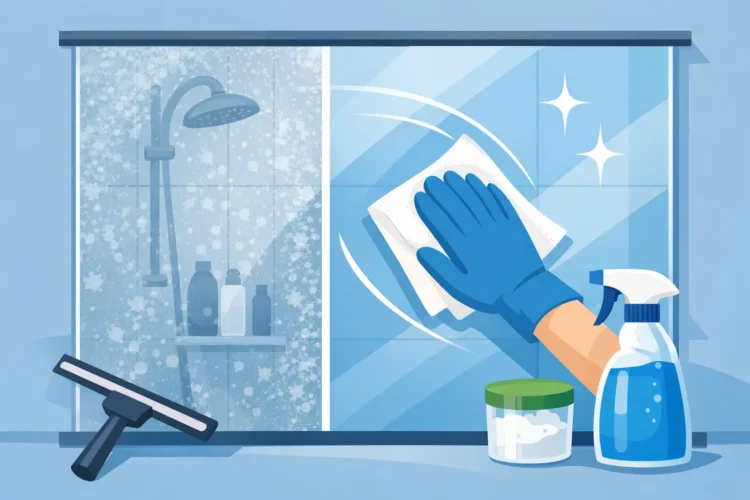
That cloudy film on your windows or shower glass is not just dirt that missed the last wipe-down. When you need to remove hard water glass stains, you are dealing with mineral buildup that bonds to the surface and gets tougher the longer it sits. Around Southern California, where sprinklers, heat, and mineral-heavy water are common, those white spots can go from annoying to stubborn fast.
Why hard water stains are so hard to remove
Hard water leaves behind minerals like calcium and magnesium. When water evaporates, those minerals stay put. On glass, that residue starts as light spotting, then turns into a hazy layer or crusty deposits that can dull the whole pane.
Windows often get hit from sprinklers, hose overspray, pool splash, and morning condensation. Shower doors take constant exposure from daily use. In both cases, heat speeds up evaporation, which means the minerals are left behind again and again. That is why glass can look dirty even right after a basic cleaning.
There is also a difference between surface buildup and permanent damage. Fresh hard water spots usually sit on top of the glass and can be removed with the right process. Older stains may start to etch the surface, especially if they have been baking in the sun for months. Once etching happens, cleaning can improve the appearance, but it may not fully restore a perfectly clear finish.
The safest way to remove hard water glass stains
The goal is to break down mineral deposits without scratching the glass or damaging nearby finishes. Start simple before moving to stronger methods.
First, rinse the glass to remove loose dust and grit. This matters more than people think. Rubbing dry debris into glass can create fine scratches, especially on shower doors that already have buildup.
Next, apply a mild acidic cleaner. A mix of white vinegar and water can help with lighter stains. Let it sit for several minutes so it has time to dissolve the minerals, then wipe with a soft microfiber cloth or a non-scratch pad. If the stain is still there, repeat instead of scrubbing aggressively.
For more stubborn spots, a specialty hard water stain remover made for glass may work better than vinegar alone. These products are designed to cut through mineral deposits faster, but you still need to follow label directions carefully. Test a small area first, especially around frames, tinted glass, stone, or metal trim.
After treatment, rinse thoroughly and dry the surface completely. Leaving cleaning solution behind can create streaks or residue of its own, which defeats the point.
What not to do when you remove hard water glass stains
This is where a lot of well-meaning DIY work goes sideways. Glass seems durable, but the wrong tool can leave permanent marks.
Avoid steel wool, razor blades used carelessly, stiff brushes, and harsh abrasive powders unless the product specifically says it is safe for that exact type of glass and you know how to use it properly. A razor can sometimes be used by professionals in the right situation, but on tempered glass, coated glass, or dirty surfaces, it can scratch faster than you expect.
Be cautious with magic-eraser style pads too. Some people swear by them, but results depend on the glass surface and how much pressure is used. If you are dealing with expensive windows, custom shower glass, or storefront panels, it is smart to be conservative.
You also do not want to mix cleaners. Combining products, especially acids and other chemicals, can create fumes or damage surrounding materials. Stick with one method at a time.
Windows vs. shower doors: the stain matters
Not all hard water stains respond the same way because the source is different.
Exterior window stains
Exterior windows often collect sprinkler overspray, mineral-rich runoff, dust, and sun-baked residue. These stains can become especially stubborn because they sit undisturbed for long periods. In some cases, the glass may have both hard water spots and oxidation or environmental buildup, which makes removal more involved than a standard wash.
This is also where safety becomes part of the conversation. Ground-floor glass is one thing. Second-story windows, awkward side yards, and large commercial panes are another. If reaching the stain means climbing a ladder or leaning over landscaping, the DIY savings can disappear quickly.
Shower door stains
Shower glass gets repeated exposure to soap, body oils, and minerals, so the film is often a combination problem. Vinegar may cut through mineral deposits, but if soap scum is layered on top, you may need a cleaner that addresses both. A door that looks permanently cloudy sometimes just needs the right process in the right order.
That said, older shower glass can become etched from years of neglect. If you clean it and it still looks dull, the issue may no longer be removable buildup.
When DIY works and when it probably will not
If the spots are fairly new, limited to a small area, and easy to reach, a careful DIY approach can be worth trying. Many homeowners can improve lightly stained shower doors or a few lower windows with patience and the right cleaner.
But if you have widespread spotting, upper-floor glass, commercial storefront windows, or stains that have been sitting through multiple hot seasons, results become less predictable. It depends on whether the minerals are still on the surface or have already etched into the glass. It also depends on how much time you want to spend repeating the process.
A lot of people underestimate that last part. Hard water stain removal is not the same as routine cleaning. It can take multiple rounds, careful tool choices, and a trained eye to tell whether the glass is actually getting cleaner or simply getting smeared around.
How professionals remove hard water glass stains
Professional glass care starts with identifying the problem correctly. That sounds basic, but it matters. Mineral buildup, oxidation, paint overspray, soap scum, and etched glass do not all respond to the same treatment.
A trained technician will usually test the glass first, choose the least aggressive effective method, and work in a way that protects the surrounding surface. On exterior windows, professional equipment also helps reduce risk and improve consistency. Pure water cleaning systems, for example, are excellent for routine maintenance because they leave glass spot-free without soap residue. For hard water stain situations, that kind of professional process can be paired with targeted restoration methods to improve clarity safely.
For businesses, there is another benefit: appearance and speed. Customers notice dirty storefront glass right away. So do tenants, clients, and employees. Professional service keeps the property looking sharp without tying up your staff or creating liability issues around ladders and chemicals.
The best way to keep stains from coming back
Once you remove hard water glass stains, prevention matters. Otherwise, you are back to square one after the next sprinkler cycle or busy month of shower use.
For exterior windows, adjust sprinklers so they are not hitting the glass. Even a small change in spray direction can make a big difference over time. If overspray is unavoidable, more frequent cleanings help keep minerals from baking onto the surface.
For shower doors, use a squeegee after each use or at least several times a week. It is a simple habit, but it cuts down on mineral deposits dramatically. Drying the glass with a microfiber cloth helps even more if your water is especially hard.
Regular maintenance is the real game changer. Light spotting is much easier to remove than thick, sun-cured buildup. That is why many homeowners and businesses schedule recurring professional cleaning instead of waiting until the glass looks permanently cloudy.
A clear view is worth protecting
Glass changes how a home or business feels. Clean windows brighten a room, sharpen curb appeal, and make the whole property look better cared for. Clean shower glass does the same thing inside, making the space feel fresher and newer without a remodel.
If you are trying to remove hard water glass stains and not getting the results you want, that does not always mean you are doing it wrong. Sometimes the buildup is older, the glass is more delicate than it looks, or the job simply calls for professional tools and experience. Window Cowboys helps homeowners and businesses across Corona, Norco, Eastvale, Riverside County, and nearby Orange County get that clear, polished finish back safely and without the hassle.
A little mineral spotting can sneak up on you, but bright, clean glass always makes itself known.