


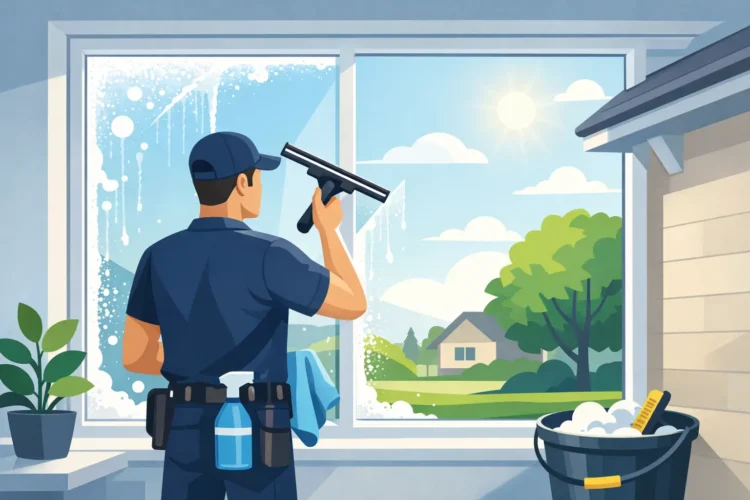
That cloudy film on the glass usually does not show up until the sun hits it just right – and then it is all you can see. If you have been wondering how to clean residential windows without streaks, drips, or wasted time, the difference comes down to using the right tools, the right order, and a method that fits the kind of glass you have.
Clean windows do more than look nice from the curb. They brighten your rooms, improve the view, and make a home feel better cared for. In Southern California, where dust, sprinkler overspray, pollen, and hard water spots can build up fast, the job is often less about effort and more about technique.
How to clean residential windows without streaks
The biggest mistake most homeowners make is treating window cleaning like wiping a mirror. Glass on a home collects more than fingerprints. It picks up dust, screen residue, mineral deposits, bug marks, and outdoor grime that can smear if you go straight in with cleaner and a paper towel.
Start by gathering a few basics: a soft brush or dry microfiber cloth, a bucket, a mop or applicator sleeve, a squeegee with a good rubber blade, microfiber towels, and a gentle cleaning solution. A few drops of dish soap in water can work for general cleaning. If you are dealing with heavy buildup, the method may need to change depending on whether the issue is dirt, grease, or hard water staining.
Before the glass gets wet, remove loose dust and debris from the frame, sill, and screen area. This step matters more than people think. If dirt from the tracks or screens runs onto wet glass, you end up chasing streaks the whole time.
Next, wash the glass with your applicator, making sure the entire pane is evenly wet. Then use the squeegee to remove the water in smooth passes. Wipe the blade after each pass with a clean towel. That one habit alone can dramatically improve the finish.
A microfiber towel works well for detailing the edges and catching any remaining drips. Paper towels often leave lint, and old rags can push residue around. If your goal is clear, bright glass that really sparkles, clean edges matter just as much as the center of the pane.
The best order to clean home windows
If you want the job to go faster, clean in a consistent order. Screens first, tracks second, frames third, glass last. That keeps dust and debris from falling onto already cleaned surfaces.
Inside the home, work room by room and choose a time of day when direct sunlight is not blasting the glass. Hot glass dries too quickly, which can leave streaks before you have time to squeegee or wipe properly. Outside, early morning or late afternoon is usually easier than the middle of a bright, hot day.
Double-hung windows, sliders, and French panes all need a slightly different approach. Large picture windows are usually straightforward, but divided panes take more detail work. If your home has older windows with delicate seals or decorative grids, use a lighter touch and avoid aggressive scrubbing.
What to use on residential windows
There is no single cleaner that fits every job. For routine maintenance, a mild soap-and-water mix is often enough. For greasy residue, such as kitchen-adjacent glass or handprints near patio doors, a dedicated glass-safe cleaner may cut better. For hard water stains, standard cleaning solution may not touch the problem at all.
That is where homeowners often get frustrated. Hard water spots are not just dirt sitting on the surface. They are mineral deposits bonded to the glass. If the stains are light, they may respond to a specialty hard water remover used carefully. If they are severe, especially on exterior windows near sprinklers, the glass may need restoration work rather than basic cleaning.
It also helps to avoid overcomplicating the chemistry. More soap does not mean cleaner glass. In fact, too much product can leave residue that attracts more dust and makes windows look dull faster.
Common problems that make windows look worse
A lot of do-it-yourself window cleaning issues come from small details that are easy to miss. Dirty screens are one of the biggest. You can clean the glass perfectly, but if the screen is dusty, the whole window still looks tired.
Worn-out squeegee rubber is another common problem. If the blade has nicks or feels hard, it will leave lines no matter how careful you are. The same goes for using the same towel on too many windows. Once a towel is damp and loaded with residue, it stops helping.
Then there is the ladder question. Ground-floor windows are one thing. Second-story and hard-to-reach glass are another. This is where knowing how to clean residential windows safely matters just as much as knowing how to make them shine. Reaching over landscaping, leaning from a ladder, or trying to stretch across wide panes can turn a simple chore into a real risk.
Interior windows need a different touch
Indoor glass usually has less heavy grime, but it can still show every streak. Fingerprints, pet nose marks, cooking residue, and air vent dust all tend to collect on interior panes.
The best approach inside is lighter moisture and tighter control. You do not want cleaner dripping into wood trim, blinds, or flooring. Apply solution sparingly, work in smaller sections, and detail the corners with a dry microfiber cloth.
If you have tinted windows or specialty coatings, be careful with scrapers and harsh products. Some surfaces can scratch or haze if the wrong tools are used. When in doubt, test a small area first.
Outside windows are where technique really counts
Exterior glass takes the beating. Wind, dust, sprinklers, bugs, ash, and weather all leave their mark. On many homes in Corona, Norco, Eastvale, and nearby communities, hard water spotting is one of the biggest reasons windows stop looking clear even after a basic wipe-down.
This is also where professional equipment starts to make a noticeable difference. Pure water cleaning systems, for example, can rinse exterior glass without leaving soap residue behind. Because purified water dries spot-free, it can produce a very clean finish on many exterior windows while reducing the need to climb ladders for upper-floor glass.
That does not mean every home needs the same method. Some windows respond best to traditional hand cleaning and squeegee work. Others, especially upper-story exteriors, are great candidates for pure water cleaning. It depends on the window style, access, and the kind of buildup on the glass.
When it makes sense to call a professional
Some homeowners enjoy doing their own maintenance. For easily reached windows in good condition, that can be a solid option. But there is a point where the time, effort, and safety concerns outweigh the savings.
If your windows are high, oversized, heavily spotted, or overdue for a real cleaning, professional service can be the faster and better value. A trained, insured crew brings proper tools, better technique, and the kind of finish that holds up when the light hits the glass. That is especially true if you also want screens cleaned, tracks detailed, and shower glass restored at the same time.
A good service should not leave you guessing about scheduling, results, or accountability. Homeowners want clear communication, reliable arrival windows, and work that makes the property look brighter the moment the job is done. That is why local companies like Window Cowboys focus not just on clean glass, but on convenience, safety, and visibly better results.
How often should residential windows be cleaned?
There is no one-size-fits-all schedule. Some homes do well with professional cleaning twice a year. Others benefit from quarterly service, especially if they sit near busy roads, have lots of mature landscaping, or deal with frequent sprinkler spray on the glass.
If you host often, care about curb appeal, or simply love a bright interior, regular maintenance keeps buildup from turning into a tougher and more expensive problem. Lighter, more frequent cleaning is usually easier than waiting until every pane looks hazy.
For many homeowners, the sweet spot is not perfection every week. It is having windows consistently clear enough that the house feels fresh, polished, and easy to enjoy.
Clean glass changes the feel of a home faster than most people expect. When the windows are clear, the whole place looks lighter, sharper, and more cared for – and that is a pretty good return for a service that lets you skip the ladder and keep the shine.